Babbel Review 2026: Does It Actually Get You Speaking?
 Tyler Tolman
6 Jun 2026
Tyler Tolman
6 Jun 2026
Babbel is one of the most popular language learning apps out there. It’s been around since 2007, has millions of users worldwide, and has become a default starting point for beginners. However, this doesn’t necessarily mean that Babbel should be the default choice for you. This Babbel review takes an honest look at Babbel’s pros and cons: what the app does well, where it falls short, and whether or not it should be your main learning tool.
TL;DR
Babbel is a well-structured app, guiding absolute beginners to an early-intermediate level in 14 languages. Its grammar explanations are good, and the 10-15 minute lessons make for a convenient (but still substantial) learning habit. Where it falls short is depth. Babbel lacks authentic, native content. You cannot immerse yourself in the language with Babbel. Babbel is ideal for someone wanting structured lessons in their first six to twelve months with a language, but it’s ultimately a tool to outgrow before achieving real fluency.
What Is Babbel?
Babbel is a subscription-based language learning app offering structured courses in 14 languages: Spanish, French, German, Italian, Portuguese, Polish, Russian, Dutch, Turkish, Danish, Norwegian, Swedish, Indonesian, and English. Founded in Berlin in 2007, it predates most of its current competitors and offers practical, classroom-style lessons.
While apps like Duolingo treat language learning as a game, Babbel treats it as a course. Each lesson follows a predictable structure: introduce new vocabulary or grammar, drill it through varied exercises, review what you learned previously, and conclude with a short dialogue putting the lesson in context.
How Babbel Works
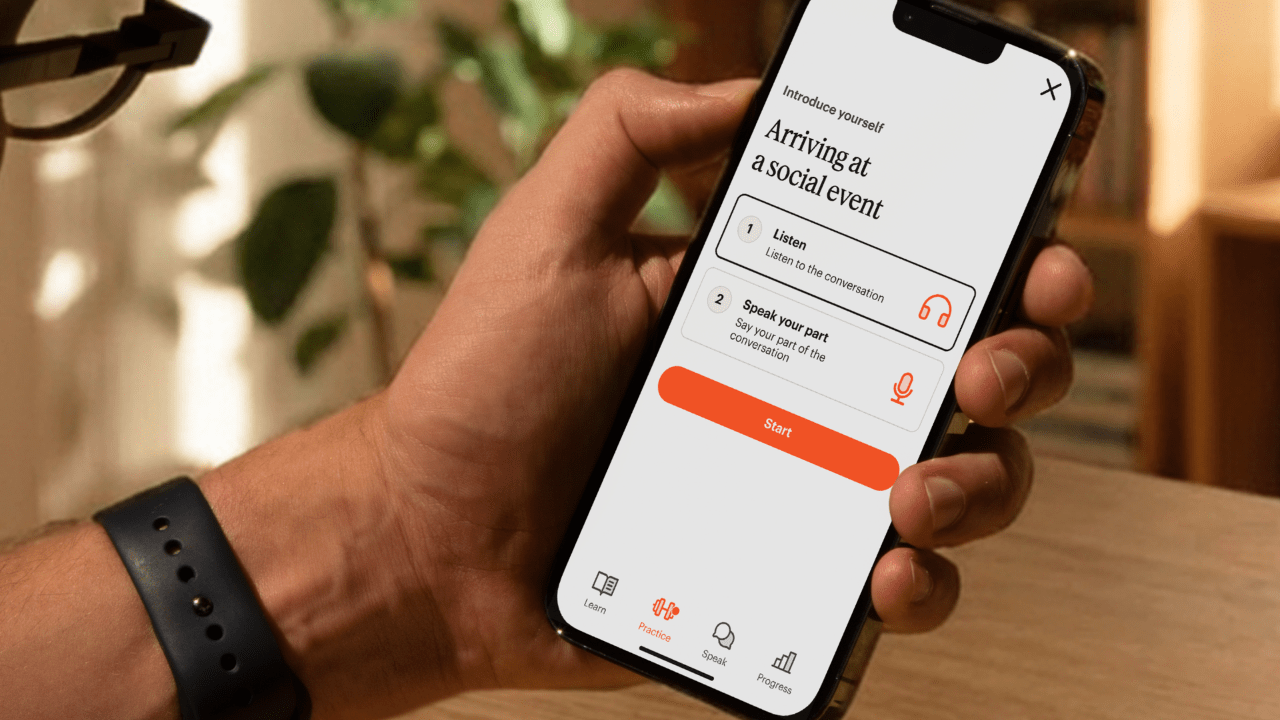
A typical Babbel session takes 10 to 15 minutes. The lessons aren’t quite bite-sized, but they’re short and designed around topics like “Greetings,” “Ordering at a Restaurant,” or “Talking About the Weekend.” Each lesson uses a mix of multiple choice, fill-in-the-blank, listening exercises, and speech recognition prompts to teach new material.
Overall, Babbel is known for…
- Real grammar explanations. Babbel introduces grammatical concepts more directly and thoroughly. Expect short written explanations and examples.
- Review sessions. Babbel incorporates spaced repetition to review vocabulary throughout the course. This is a strategic approach to vocabulary growth.
How Much Does Babbel Cost in 2026?
Babbel runs on a subscription model with several commitment tiers. Pricing varies by region and is frequently discounted, but the standard structure is:
| Plan | Per Month | Billed | Total |
|---|---|---|---|
| 1-month | ~$17.95 | Monthly | $17.95 |
| 3-month | ~$15.25 | Quarterly | ~$45.75 |
| 6-month | ~$13.45 | Every 6 mo | ~$80.70 |
| 12-month | ~$8.95 | Annually | ~$107.40 |
| Lifetime | ~$299 | One-time | ~$299 |
Worth knowing: Babbel runs heavy promotional discounts throughout the year. If you’re considering Babbel, be on the lookout for a sale or referral discount before subscribing.
Babbel Review: What Babbel Does Well
Babbel yields results. A 2016 study conducted with City University of New York shows that 15 hours of Babbel is comparable to a semester-long course at the university level.
Structured Beginner Curriculum. The efficacy study, focused specifically on Spanish, attributes Babbel’s success to its emphasis on real-life dialogues. The lessons are built sensibly and focus on practical tasks for immediate use.
Grammar Explanations. Babbel writes short, clear grammar notes inside lessons. There’s no guesswork for the learner. The concept is directly highlighted and explained.
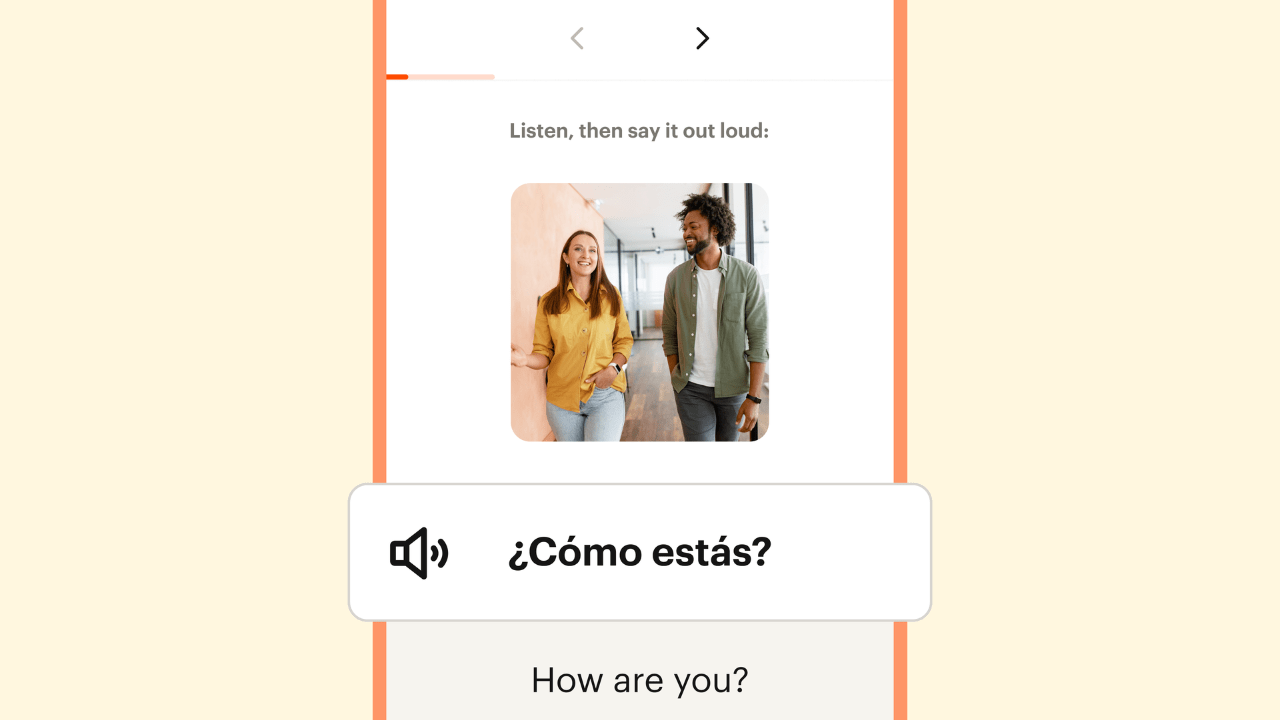
Speech Recognition. Babbel’s pronunciation exercises use voice recognition to check whether you’re saying words correctly. It’s not perfect, but it’s good enough to self-correct and build confidence.
Polished, professional feel. Lessons are designed by language teachers, voiced by native speakers, and presented in an interface that feels like a serious educational product.
A Reasonable Habit. 10-15 minutes per day is not much, but it’s not insignificant. This is a reasonable commitment for most adults.
Where Babbel Falls Short
Babbel, like any language-learning resource, has its shortcomings. Here are the concerns.
Content Depth. Babbel’s biggest weakness is that its content is insufficient to achieve fluency. A consistent user will finish their course within 6-12 months, capping out at a low-intermediate level. Furthermore, there’s no means of customizing curriculum or adapting it to your interests.
Limited Growth. Babbel teaches you the structures of a language reasonably well. You’ll gain confidence with basic and structured conversations, but you will not achieve fluency. The material builds, but never reaches the depth necessary for advanced-level use and comprehension of the language.
Lack of Authenticity. The dialogues in Babbel lessons are produced for learners. Yes, the audio is clear, slow, and produced by native speakers. However, this is not appropriate for intermediate learners. Babbel does not prepare you for unmodified, native speech.
Lack of Conversational Practice. Babbel’s courses focus on presentational speaking. In other words, if Babbel prompts you to speak, it’ll be for the sake of verifying pronunciation or reciting a rehearsed dialogue/speech. This is useful, but it doesn’t simulate a conversation.
Limited Language Selection. 14 languages sounds like a lot, but the selection is mostly limited to European languages. If you want to learn Mandarin, Japanese, Korean, Arabic, or Hindi, Babbel isn’t an option.
Repetition Fatigue. Many long-term Babbel users report that the lessons start to feel repetitive after the first few months. The exercise formats are limited, and the course becomes stale over time.
Who Babbel Is Best For
We can’t simply label Babbel as a good or bad product. Your individual circumstances and goals determine which resources are most useful/appropriate. Babbel is best for…
- Absolute beginners in one of the 14 supported languages who want a structured starting point
- Adults who prefer a course-like experience without gamification
- People who want brief grammar explanations
- Travelers preparing for a specific trip who need functional basics quickly
- Habit builders who’ll consistently do 10-15 minutes per day for 6-12 months
Babbel is less suitable for:
- Intermediate or advanced learners looking to push beyond conversational basics
- Learners targeting fluency, especially listening comprehension or speaking
- Anyone learning a non-Babbel-supported language (Mandarin, Japanese, Korean, Arabic, etc.)
- Learners who need variety
- Learners who already have a foundation in their target language
Babbel vs LingQ: Which Should You Choose?
LingQ and Babbel approach language learning from different philosophies, and the right choice depends on how you like to learn.
Babbel lessons are scripted. It walks you through prepared dialogues with grammar explanations, vocabulary drills, and review exercises, in a fixed order. It’s a traditional approach commonly associated with a classroom setting.
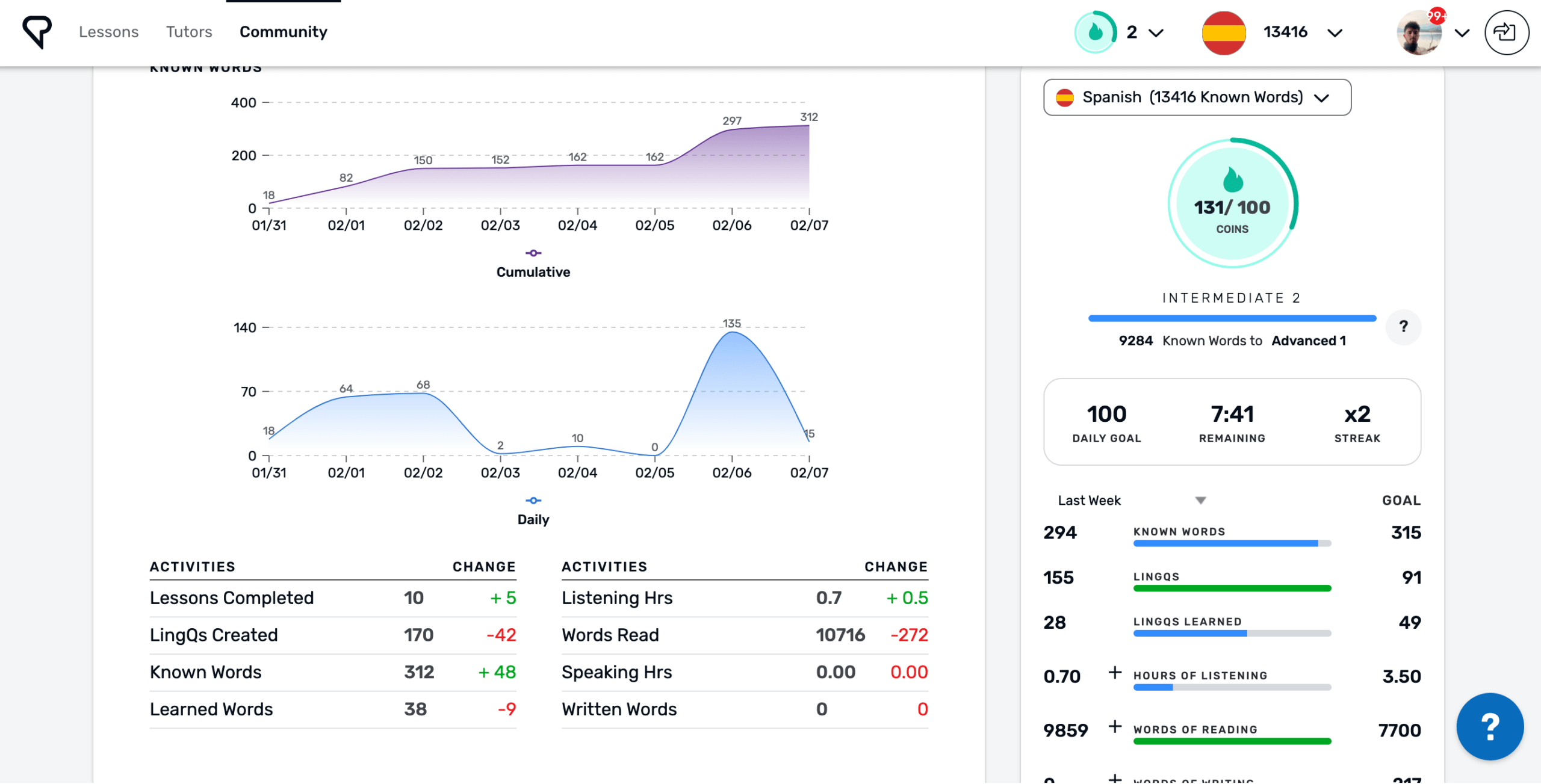
LingQ is based on immersion. You’re empowered as a learner to forge your own path at your own pace. It gives you the tools to learn from real content, in 50+ languages, at whatever level. Through instant translation, pronunciation, and vocabulary tracking, LingQ turns anything you import into a custom language lesson.
The common assumption is that scripted-lesson apps are better for beginners and immersion apps are better for intermediate learners. That’s not true. You can immerse yourself in the language from the very beginning.
LingQ’s Mini Stories are built specifically for absolute beginners (zero foundation, day one) and are available in all 50+ supported languages. It teaches the most common everyday vocabulary through short, repetitive stories read by native speakers, with every word tappable for instant translation. The Mini Stories serve as a bridge to beginner podcasts, then intermediate content, then audiobooks and YouTube.
Novice learners don’t have to dive directly into unmodified, native-level content. Immersion can occur with clear, slow language. A key feature of LingQ is the ability to add some variety and depth at the novice level. You’re not limited to set phrases and conversations. From Dreaming Spanish to Comprehensible Japanese, there are so many creators offering interesting, novice-level content. LingQ lets you choose the resources you like to keep the process fresh, engaging, and effective.
LingQ supports 50+ languages and anything you can find on the internet (podcasts, YouTube videos, news articles, novels, song lyrics) as study material.
For learners with a clear motivation (a partner who speaks the language, a country they’re moving to, a show they want to watch), LingQ has no ceiling. From total beginners to advanced learners, LingQ simply allows you to immerse yourself in the language with less strain.
If you’ve tried scripted lesson apps before and they didn’t stick, or you know you absorb language better from listening and reading than from drills, LingQ is built for you from the very first lesson.
| Babbel | LingQ | |
|---|---|---|
| Languages | 14 | 50+ |
| Method | Scripted dialogues with grammar drills | Immersion in real content with one-tap translation |
| Best starting point | Absolute beginner in European language | Any level, any language |
| Free option | Limited (first lesson per language) | Free tier with limited LingQs |
| Monthly cost | $8.95–$17.95 (depends on subscription) | $8.99 – $14.99 (depends on subscription) |
| Ceiling | Conversational basics | Native-level material |
| Content beyond curriculum | None | Import anything from the web |
FAQs
Babbel is worth it for absolute beginners who want a structured 10-15 minute daily lesson and grammar explanations. The prices are reasonable for what it delivers in the first 6-12 months. Beyond a low-intermediate level, it is not the best resource.
Babbel is more structured and treats you like an adult learner with real grammar explanations. Duolingo is more gamified, free at its basic tier, and easier to maintain a daily streak with. Neither will get you to fluency on its own. For a deeper comparison, see our Duolingo vs Babbel breakdown.
Babbel teaches you the structures and vocabulary you need to speak, but it doesn’t prepare you for longer, spontaneous conversation. Most learners who want speaking ability supplement Babbel with tutoring or language exchange.
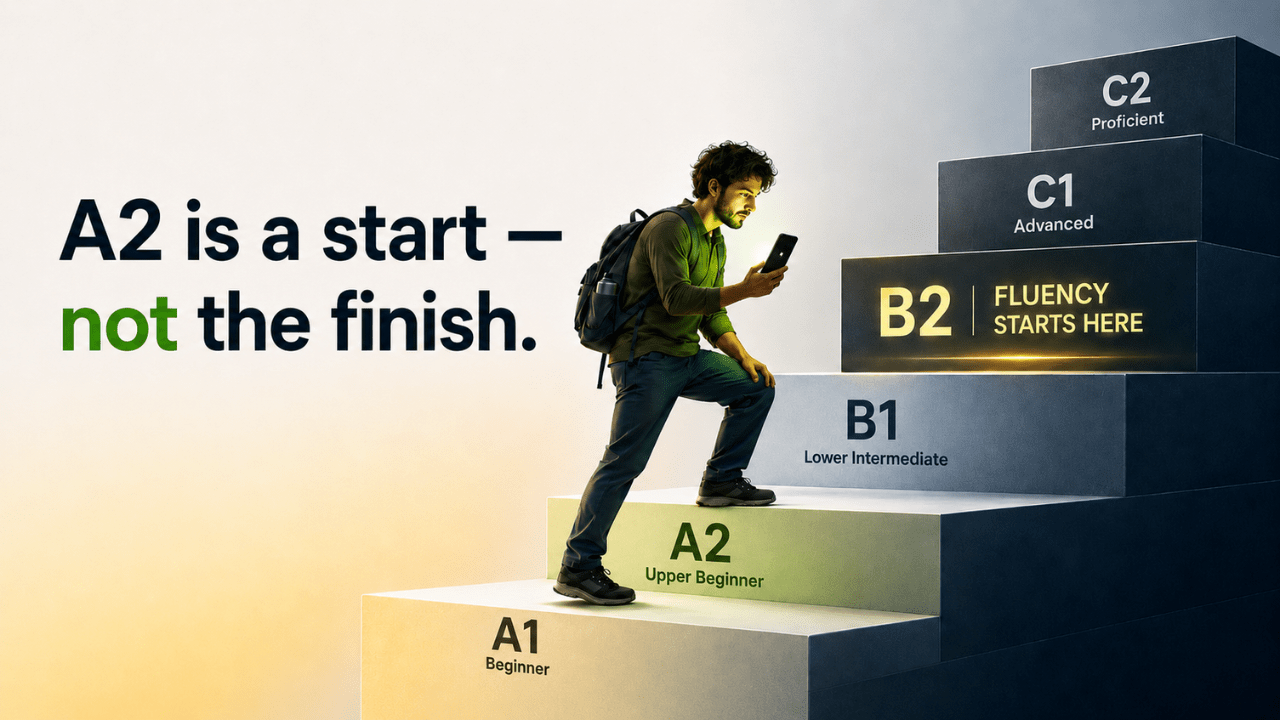
Babbel doesn’t make you fluent. No app does. Babbel’s full curriculum, done daily over 6-12 months, builds a strong beginner-to-early-intermediate foundation (roughly A2 on the CEFR scale).
Babbel offers 14 languages: Spanish, French, German, Italian, Portuguese, Polish, Russian, Dutch, Turkish, Danish, Norwegian, Swedish, Indonesian, and English.
The Bottom Line
Babbel is one of the better beginner-focused language apps on the market in 2026. The lessons are well-structured, the grammar is genuinely explained, and the polished interface provides a comforting structure for a novice learner. For someone in their first 6-12 months of a major European language, it’s a logical choice.
However, Babbel is a finite course, and it will not guide you to fluency. From zero, you’ll develop a basic, lower-intermediate grasp of the language. To continue progressing, choose a more flexible platform like LingQ. Truly immerse yourself in the language and achieve actual fluency.
Ready to learn from authentic content in 50+ languages? Try LingQ free and import any podcast, article, or video to start building real comprehension from day one.
Twenty minutes a day beats a weekend of drilling.
Read and listen to things you’d have read anyway — LingQ counts every word you pick up along the way.
- 5M+ learners
- 4.7★
- Free to start


You might also like