
Best Duolingo Alternatives for Intermediate Learners (2026)
 Tyler Tolman
20 Apr 2026
Tyler Tolman
20 Apr 2026
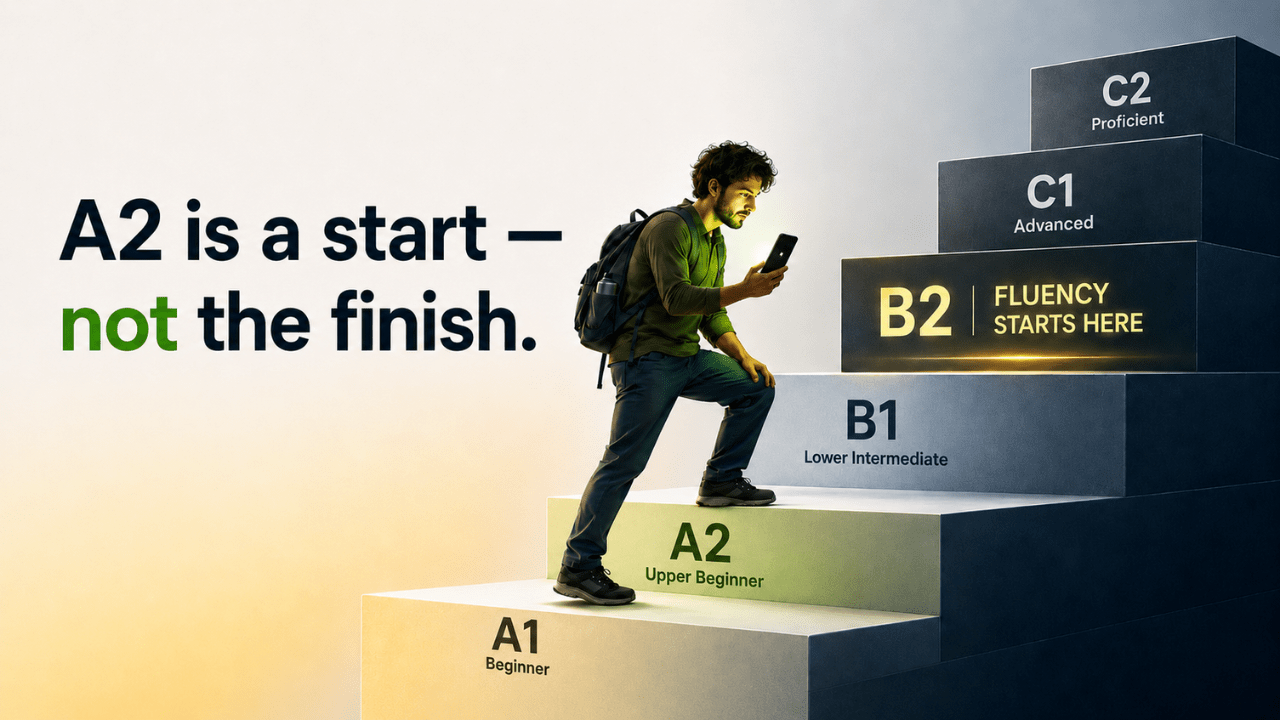
TL;DR: Duolingo is a great habit-builder, but it stops working around the A2 level. If you are an intermediate learner looking for a Duolingo alternative, there is plenty to choose from. This guide covers seven strong options, who each one is for, and how to choose based on your actual goal. For most learners, the best answer is combining two or three tools rather than relying on any single app.
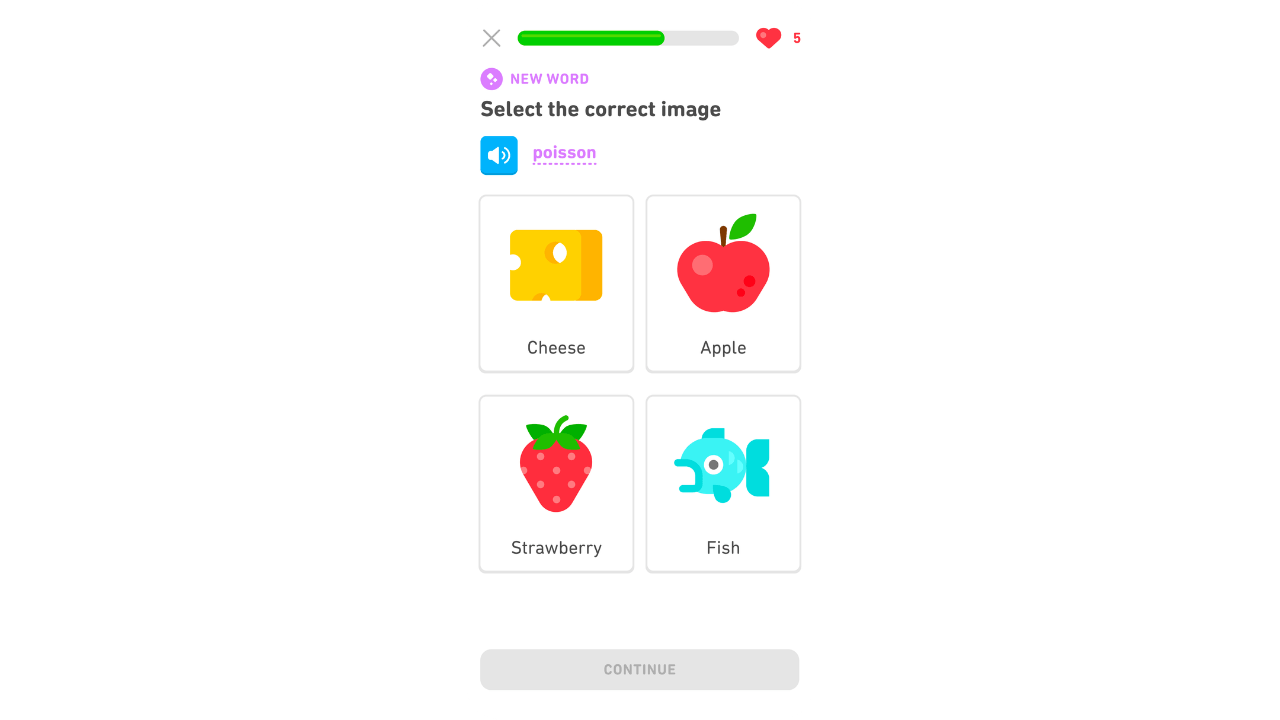
Why Duolingo Stops Working for Intermediate Learners
Duolingo deserves real credit for one thing: it gets millions of people to show up every day. The streaks work. The owl works. As a habit-builder for absolute beginners, it is hard to beat.
But once you reach an intermediate level, the cracks show. The exercises stop scaling, the gamification starts working against you, and there is no bridge to real content: books, podcasts, shows, conversations. For some learners, Duolingo’s shift toward AI-generated content has made things worse. Steve Kaufmann, who speaks over 20 languages, tested Duolingo’s courses in detail, his verdict is worth reading.
If you recognize yourself in any of this, here are the alternatives that actually work for the next stage.
Which alternative is right for you?
Different tools solve different problems. Here is a quick way to find your starting point before diving into the full comparisons below.
- “I want to learn from real content — books, podcasts, YouTube” → LingQ
- “I want structured grammar lessons and a clear curriculum” → Babbel
- “I want to practise speaking with real people” → italki
- “I want feedback from native speakers on my writing and speaking” → Busuu
- “I want better flashcards with spaced repetition” → Anki or Clozemaster
- “I want audio-only lessons for my commute” → Pimsleur
Not sure? Most intermediate learners do best combining two tools — one for immersion (LingQ), one for speaking or feedback (italki or Busuu).
Quick Comparison
| App | Best for | Price | Free tier? |
|---|---|---|---|
| LingQ | Immersion and long-term fluency | $10/mo | Yes (limited) |
| italki | Speaking practice | From ~$5/lesson | No |
| Busuu | Community feedback from native speakers | From $5.83/mo | Yes (limited) |
| Babbel | Structured grammar | $8.95/mo | No |
| Pimsleur | Audio learners and commuters | $19.95/mo | Trial only |
| Anki | Vocabulary drilling | Free | Yes |
| Clozemaster | Vocabulary in context | $8/mo | Yes |
The Best Duolingo Alternatives for Intermediate Learners
1. Babbel: Best for Structured Learners
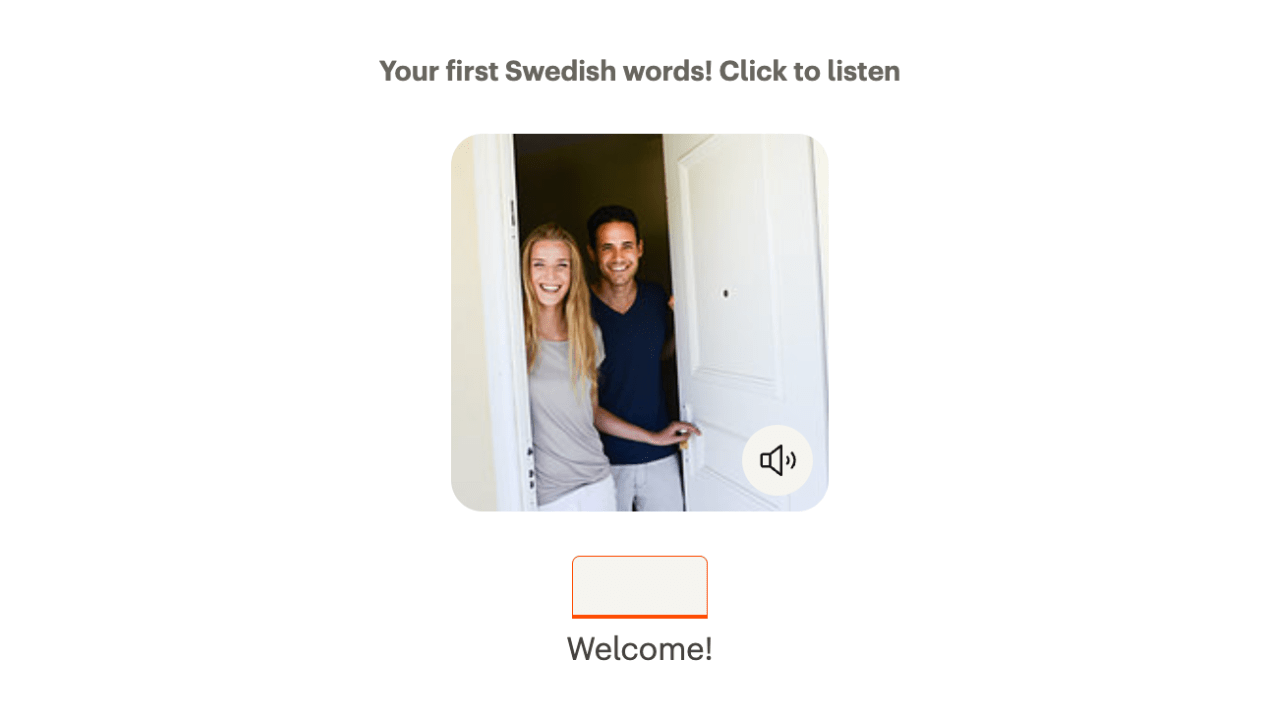
Best for: Learners who want grammar explanations and a guided curriculum
Pricing: $8.95/month billed annually; lifetime access available
Babbel is the most commonly recommended alternative to Duolingo, and for good reason. Unlike Duolingo, Babbel lessons are built around real-life dialogues and tied more directly to CEFR proficiency guidelines. The vocabulary you learn connects to everyday situations, and grammar explanations are more thorough than anything Duolingo offers.
Lessons run 10 to 15 minutes and the curriculum guides a learner from A1 through B2. If you work best with a clear map in front of you, Babbel provides one. You do not have full control over the material, but you have a path to follow.
Intermediate learners can progress with Babbel, but it is not a replacement for full immersion. When you compare a standard Babbel lesson to a session of extensive reading, the actual volume of language exposure falls short.
Pros:
- Clear grammar instruction
- Short, CEFR-aligned lessons
- Good emphasis on practical vocabulary
Cons:
- Content ceiling around B2, limited for advanced learners
- Only 14 languages
- Not designed for full immersion
2. LingQ: Best for Reading and Long-Term Progress
Best for: Learners who want to learn with real content and reach an advanced level of fluency
Pricing: Free (limited to 20 saved words); Premium $10/month billed annually
LingQ is built on comprehensible input — the idea that you acquire language most effectively by reading and listening to real content at your level, not by drilling exercises. It is the single most important insight in language learning, and LingQ turns it into a practical daily system. If you want to understand the method behind this approach, Steve Kaufmann’s guide to the best way to learn a new language explains the philosophy in full.
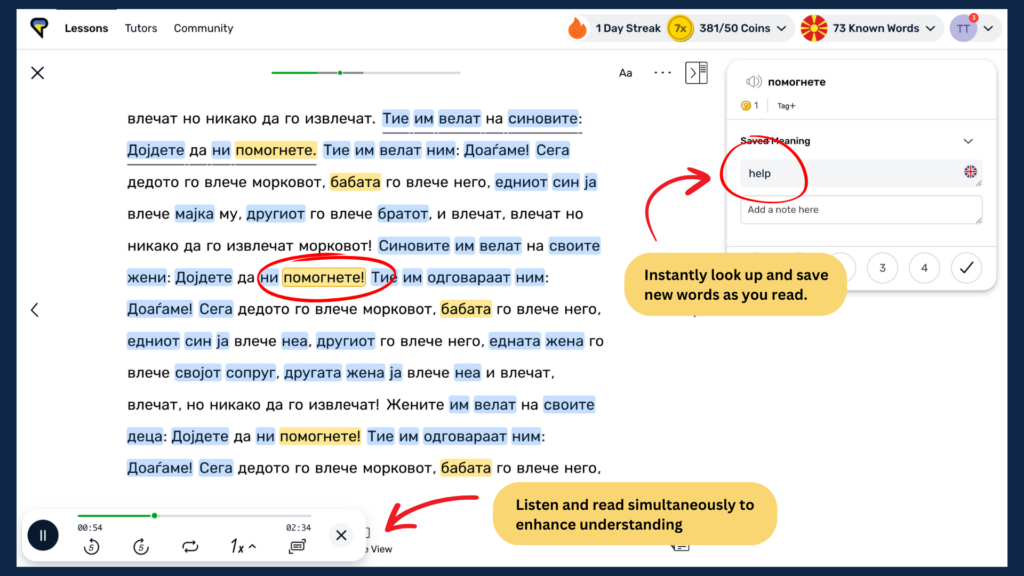
You can import any text or audio: a podcast transcript, an ebook, a YouTube video, a Netflix subtitle track and turn it into an interactive lesson. As you read and listen, tap unknown words for instant translations. Words are automatically saved and tracked across everything you read.
To make this concrete: import a YouTube video about cooking, a podcast episode, or the first chapter of a novel. LingQ turns it into an interactive lesson in under a minute. Whenever a word you have saved appears in a new story or article, it stays highlighted, drawing your attention to it in a fresh context. As your known word count climbs, you can watch your pages transform from a sea of blue new words to white known text. It is a visible, data-backed picture of your growing fluency. For a practical example of how this works in practice, see Steve’s guide to learning Spanish with LingQ.
LingQ also supports 50+ languages, including less common ones like Finnish, Cantonese, Ukrainian, and Latin, which makes it one of the only serious options for learners of harder-to-find languages.
Pros:
- Import your favourite content across platforms including YouTube and Netflix
- Vocabulary tracking lets you visualise and quantify your progress
- Works for any level from late beginner to advanced
- Wide language selection
Cons:
- No structured learning path, best suited to independent learners
- Free plan is more of a demo experience
- Not designed for speaking practice
- Total beginners may find it challenging at first
For a full breakdown of how LingQ works and whether it is worth paying for, see our LingQ Review. Learn more about the philosophy behind LingQ at lingq.com/learn-languages-like-steve-kaufmann/.
3. Busuu: Best for Community Feedback
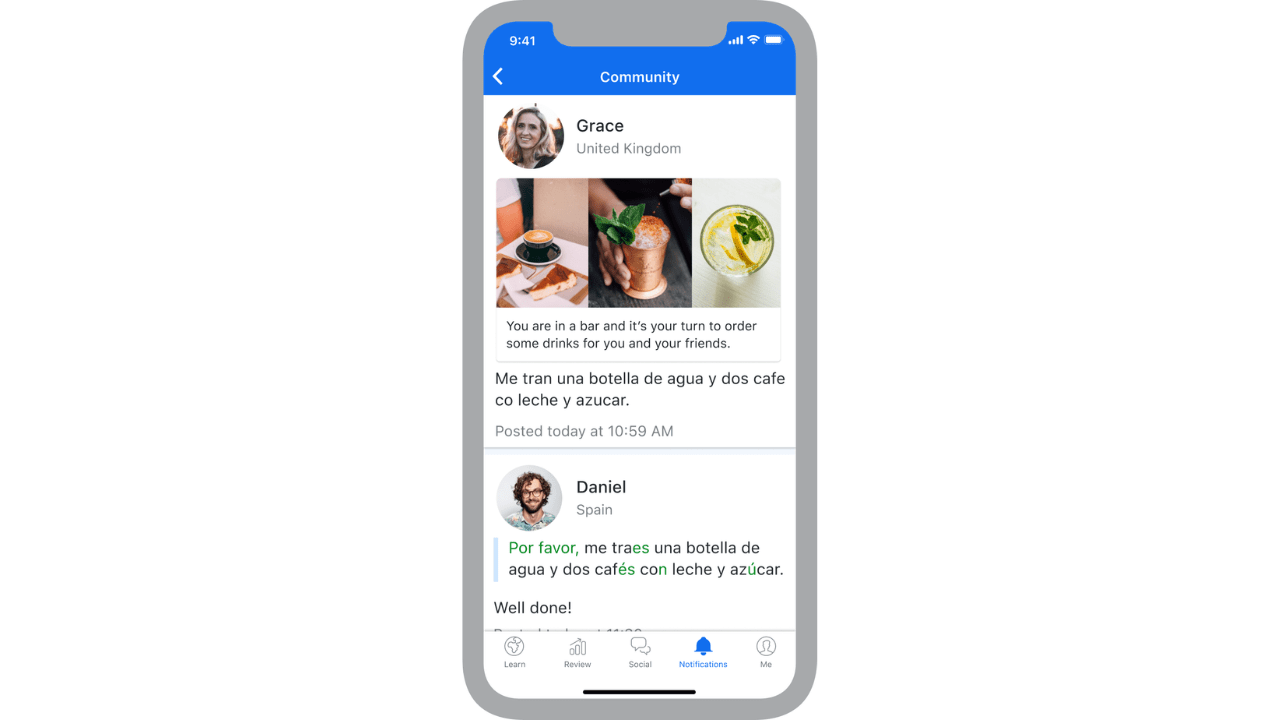
Best for: Learners who want real corrections from native speakers on their writing and speaking
Pricing: Free (limited); Premium from $5.83/month billed annually
Busuu’s strongest differentiator is its community feedback loop. After completing a writing or speaking exercise, you submit your answer to the platform and native speakers of that language review it — typically within an hour or two. You also review exercises submitted by learners of your native language, which creates a genuine exchange rather than a one-sided service.
This makes Busuu genuinely useful for a specific kind of intermediate learner: someone who is reading and listening reasonably well but has never had real feedback on whether their output is accurate. Most apps either skip this entirely or gate it behind expensive tutoring. Busuu builds it into the platform at no extra cost on a premium plan.
The structured curriculum runs from A1 through B2 across 14 languages, which is more limited than LingQ’s 50+ but covers all the major ones. Lessons are short and CEFR-aligned, similar to Babbel in format. The free tier exists but is genuinely restricted — the community feedback feature, which is the main reason to be here, requires premium.
Pros:
- Native speaker feedback on writing and speaking exercises is fast and genuinely useful
- CEFR-aligned curriculum gives intermediate learners a clear progression path
- More affordable than most structured alternatives
Cons:
- Only 14 languages
- Feedback quality depends on who responds — it is not as consistent as a human tutor
- Content ceiling around B2; not useful for advanced learners
- Free tier is significantly limited
4. italki: Best for Speaking Practice
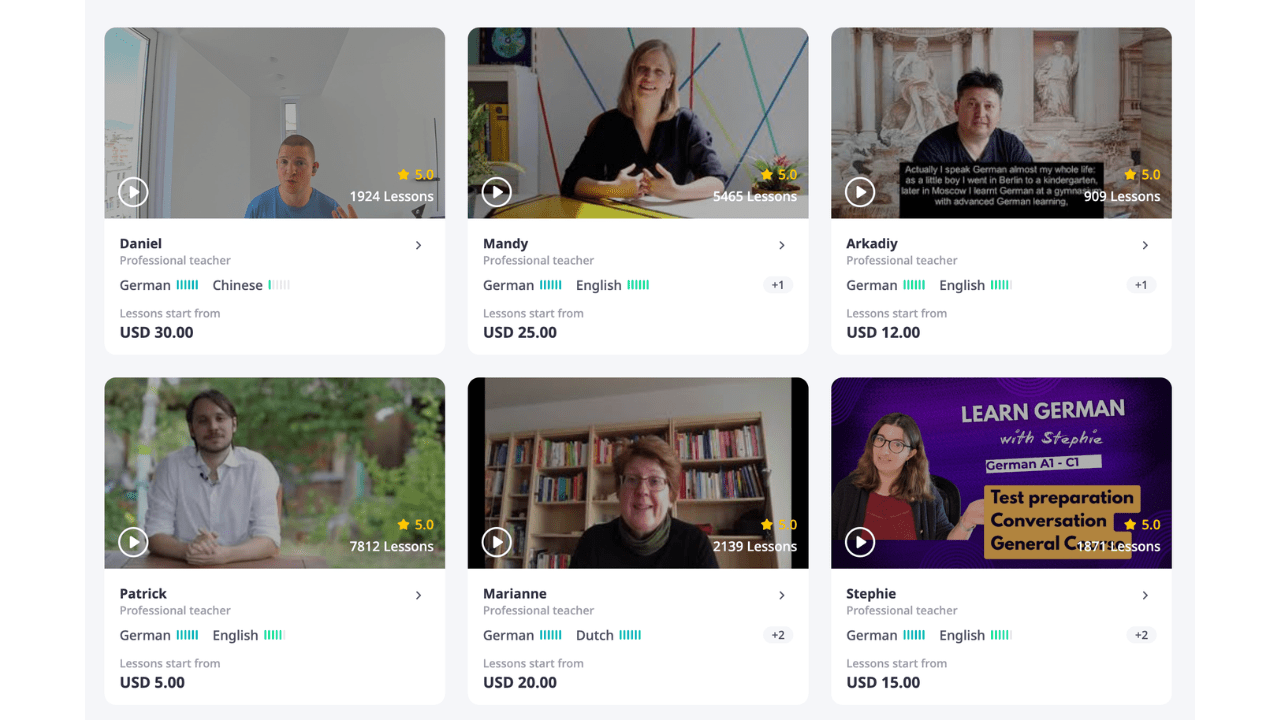
Best for: Learners who need real conversation practice with native speakers
Pricing: Wide range of rates available per lesson
italki is the largest platform for language tutors, with over 30,000 teachers across 150 or more languages. It is the natural Duolingo alternative for learners who want to start speaking.
You book lessons individually or in packages, which means no subscription lock-in. Community tutors, native speakers without formal teaching credentials, are cheaper and excellent for casual conversation practice. Professional teachers are more expensive but equipped to help with specific goals: exam preparation, translation, grammar work, and so on.
Fluency primarily comes from reading and listening, but spoken fluency requires substantial practice. italki gives you a real human to speak with, in a low-pressure environment adapted to your preferences. No app can replicate that.
Pros:
- Real human feedback is irreplaceable for speaking
- Huge tutor selection across languages and price points
- No subscription required
- Great for specific goals including travel, business, and exam prep
Cons:
- Quality varies significantly between tutors
- Costs add up if you book frequently
5. Pimsleur: Best for Audio Learners and Commuters

Best for: Learners whose primary study time is commuting, driving, or walking
Pricing: Around $19.95/month (premium, one language); All-Access around $20.95/month
Pimsleur is one of the oldest language learning systems still in use, and it has survived because the core method works. Thirty-minute audio lessons built around spaced recall, entirely hands-free. If your best learning window is a commute, a walk, or doing chores, Pimsleur fits where nothing else does.
It is not a complete system. It offers very little for literacy development or building a broader vocabulary. But for intermediate learners whose main frustration is spoken fluency and pronunciation, Pimsleur is worth serious consideration. The method requires active listening and speaking out loud, which builds real spoken confidence over time.
See polyglot and LingQ co-founder Steve Kaufmann’s full Pimsleur Review for a detailed breakdown.
Pros:
- Genuinely effective for pronunciation and speaking confidence
- Works with zero screen time
- Audio quality and native speaker recordings are excellent
- Covers 51 languages
Cons:
- Can feel slow and repetitive
- Does not develop reading or writing
- Will not get you to advanced levels on its own
6. Anki: Best for Learners Who Want to Expand Their Vocabulary
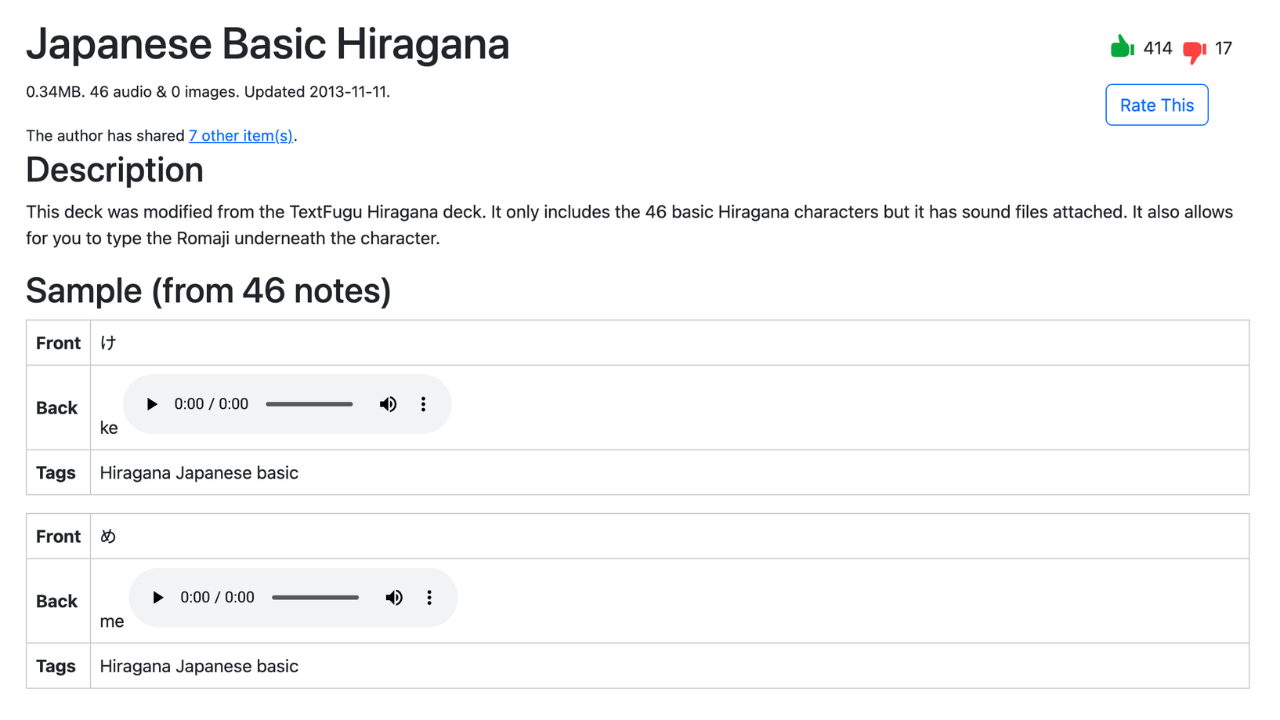
Best for: Intermediate learners who want complete control over their study materials
Pricing: Free on desktop and Android; $25 one-time purchase on iOS
Anki is a flashcard system built on spaced repetition. It is not a course and not a curriculum. It is a digital deck of flashcards that works as a memory system: whatever you put in will not be forgotten, provided you review consistently.
Anki is fully customisable. You build your own decks or import pre-made ones. Add audio or images to deepen your understanding of each word. Choose from basic cards, cloze deletions, image occlusion, and more. A large community has produced pre-built decks for most major languages.
If you use LingQ, the two tools work particularly well together. You can export your saved LingQ vocabulary directly to Anki, which means your flashcard deck is automatically populated from your actual reading. No manual setup required.
Consistency is everything with Anki. If you miss a few days, the review backlog grows fast and can become genuinely daunting. Anki rewards discipline and punishes inconsistency.
Pros:
- An effective, mostly free spaced repetition system
- Completely customisable to your language and goals
- Large community with pre-built decks for most major languages
- Exports directly from LingQ
Cons:
- No curriculum or guidance
- Requires significant setup
- Not entertaining
- Inconsistent users will not see much benefit
7. Clozemaster: Best for Vocabulary in Context
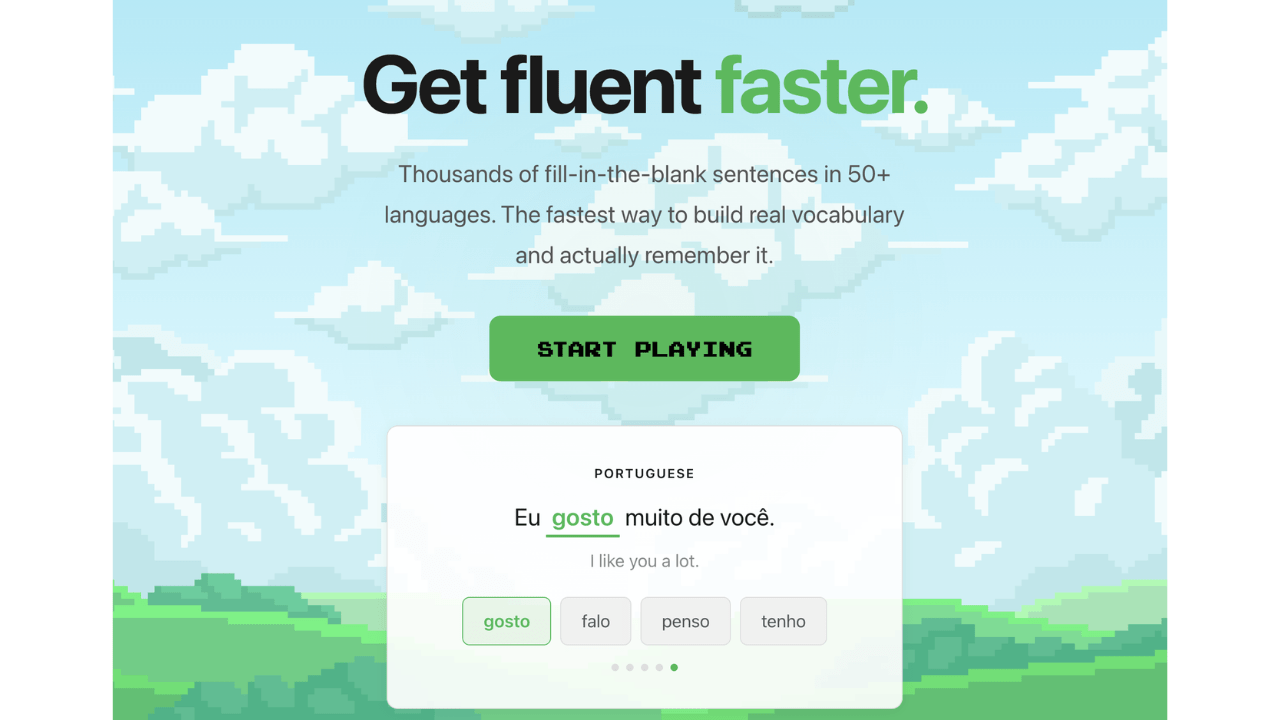
Best for: Post-beginner learners who want to go from 2,000 to 8,000 or more words efficiently
Pricing: Free tier available; Premium $8/month
Clozemaster sits in an interesting niche. It is similar to Anki in its use of spaced repetition, but with a slightly gamified feel. The focus is on drilling high-frequency vocabulary using cloze (fill-in-the-blank) sentences. Instead of isolated word memorisation, you see a full sentence with one word missing and choose or type the correct answer.
It is fast, focused, and genuinely engaging for learners who enjoy drilling vocabulary in context. There are decks for beginners and more advanced learners. The free tier gives you around 30 sentences per day, which is enough to assess whether the format suits you before committing to premium.
Pros:
- A more engaging way to drill vocabulary
- Large sentence libraries for major languages
- Free tier is genuinely useful
Cons:
- No speaking component
- Works best as a supplement, not a primary tool
How to Choose Based on Your Goal
Not every intermediate learner has the same problem. Here is a quick guide based on the most common frustrations.
“I am a strong reader but I freeze when speaking.” Start with italki for regular conversation practice. Add Pimsleur if your commute time allows you to emphasise speaking further.
“I understand a lot but I need more vocabulary.” LingQ builds vocabulary naturally through extensive reading and listening. Clozemaster offers more focused vocabulary drilling. If you want to make your own flashcards and export from LingQ, use Anki.
“I want structure. I learn better with a clear path.” Babbel gives you a set curriculum to follow. Alongside it, track your vocabulary growth and set monthly goals on LingQ.
“I want to read books and listen to podcasts in my target language.” LingQ is the clearest answer. Nothing else turns your own content into a language learning tool as effectively.
“I study during my commute and cannot look at a screen.” Pimsleur is built for exactly this. You can also create listening playlists on LingQ.
“I have just finished Duolingo’s beginner course and do not know what to do next.” Start with LingQ’s Mini Stories. They are designed exactly for this transition: high-frequency vocabulary, short lessons, and a natural on-ramp from structured exercises to real content.
| Your goal | Best tool |
|---|---|
| I can read well but freeze when speaking | italki + Pimsleur |
| I want feedback on my writing and speaking | Busuu |
| I understand a lot but need more vocabulary | LingQ + Clozemaster or Anki |
| I want structure and a clear path | Babbel + LingQ |
| I want to read books and listen to podcasts | LingQ |
| I study during my commute, no screen time | Pimsleur |
| I just finished Duolingo and don’t know what’s next | LingQ Mini Stories |
For most intermediate learners, the best approach combines two or three tools. A typical well-balanced routine might look like: LingQ for daily reading and listening, italki once or twice a week for speaking, and Anki or Clozemaster for focused vocabulary review.
Frequently Asked Questions
What is the best Duolingo alternative for intermediate learners? Most intermediate learners benefit from combining two or three tools rather than relying on any single app. For reading and long-term immersion, LingQ is hard to beat, for speaking practice, italki, and for structured grammar instruction, Babbel.
Are there free Duolingo alternatives? Yes. Anki is free on desktop and Android. Clozemaster has a solid free tier with around 30 sentences per day. For speaking practice, language exchange apps like Tandem or HelloTalk are free. LingQ has a free plan, though it limits you to 20 saved words.
Is Babbel better than Duolingo for intermediate learners? For grammar instruction and real-world vocabulary, yes. Babbel explains grammar rules clearly and builds lessons around practical dialogue. It is a more serious tool for learners who want a structured path.
Can LingQ replace Duolingo completely? For complete beginners, Duolingo might be a helpful on-ramp to LingQ. Intermediate learners can absolutely replace Duolingo with LingQ. See our LingQ Review for a full breakdown.
What do serious language learners use instead of Duolingo? Serious language learners typically use more than one tool. LingQ for full immersion, Clozemaster or Anki for targeted vocabulary drilling, and italki for developing spoken fluency.
Is there a Duolingo alternative for less common languages? LingQ supports 50+ languages including Finnish, Cantonese, Ukrainian, Latin, and others that most apps do not cover. For speaking practice in less common languages, italki’s tutor network is often the only viable option.
The Bottom Line
Duolingo got you started. You built a daily habit, and that is genuinely worth something. But the intermediate plateau is real, and Duolingo will not help you break through it. The alternatives in this list each address a specific gap: immersion with real content, grammar explanations, real conversation, vocabulary depth, and audio-only learning.
For the full landscape beyond Duolingo-style apps, see our best language learning app comparison.
Start with one. Test it for a month. Get to know yourself as a learner. Then build your toolkit from there.
Writer Bio

Tyler is an American language teacher and language learner. He’s taught Spanish, French and Latin in the K-12 system since 2018. Tyler also speaks Thai and Italian. Currently, he’s learning German and Polish on LingQ!
Twenty minutes a day beats a weekend of drilling.
Read and listen to things you’d have read anyway — LingQ counts every word you pick up along the way.
- 5M+ learners
- 4.7★
- Free to start


You might also like