
Can You Become Fluent With Duolingo? Here’s the Honest Answer
 Tyler Tolman
21 May 2026
Tyler Tolman
21 May 2026
Duolingo’s marketing implies that you can learn a language with a small, 5-minute daily habit. The actual research tells a more complicated story. Can you become fluent with Duolingo? Well, it depends on what you mean by fluent.
This post breaks down what Duolingo actually delivers, when it stops being useful, and what comes next if you want to advance beyond the app’s natural ceiling. In short, Duolingo is great for an absolute beginner in any language. After a few months, you’ll need to add richer, more challenging resources to keep progressing.
TL;DR
You cannot become fluent with Duolingo alone. Duolingo’s courses are designed to take you to roughly A2 (upper-beginner) on the CEFR scale. That’s far below fluency (B2 or above). Duolingo works well for absolute beginners, but you’ll need to add real reading, listening, and speaking practice to reach conversational fluency. This post explains exactly where the app’s ceiling sits and how to proceed when you hit it.
What Fluent Actually Means
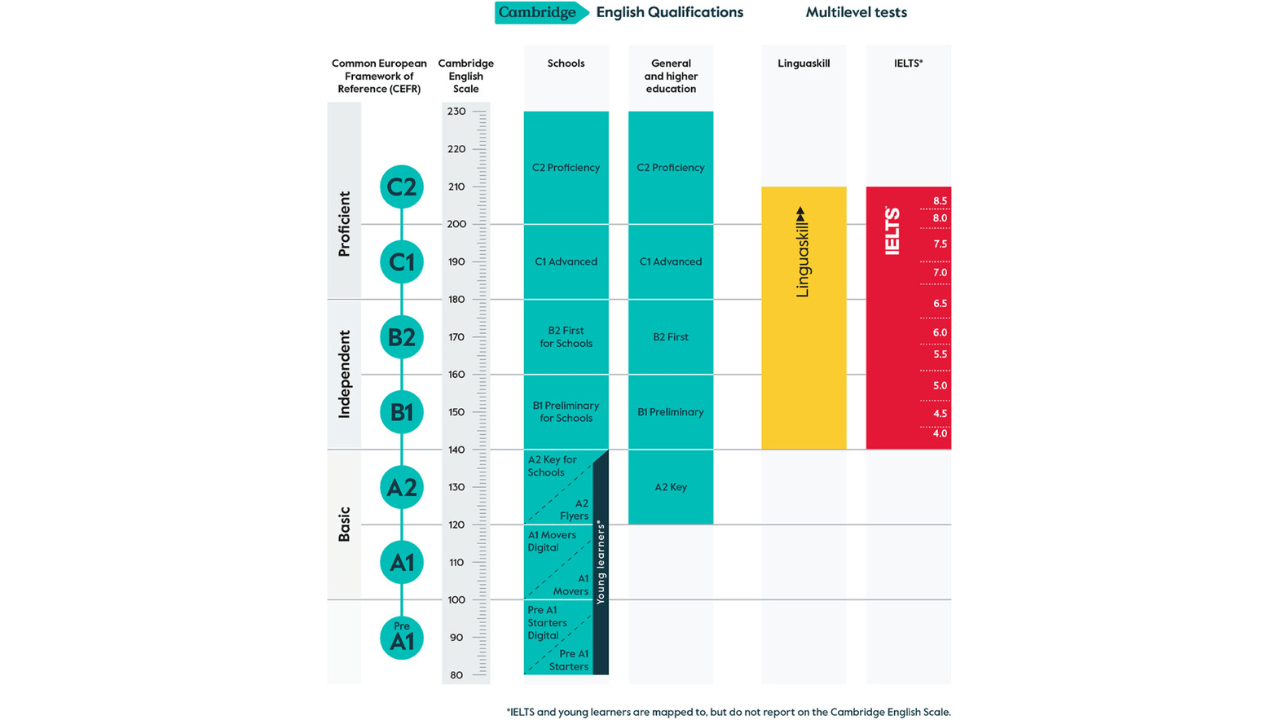
Fluency means the ability to communicate effortlessly in real-world situations, typically at the B2 level or above on the CEFR scale. At this level, you can understand complex texts, follow native-speed conversations, and express your own ideas without translating in your head. Below B2, you can communicate, but not effortlessly. Above B2, you approach native-like proficiency.
The CEFR (Common European Framework of Reference for Languages) breaks language proficiency into six levels:
| Level | What it means |
|---|---|
| A1 | Beginner. Basic phrases, introductions. |
| A2 | Upper beginner. Simple conversations on familiar topics. |
| B1 | Lower intermediate. Can handle everyday situations, travel, basic tasks. |
| B2 | Upper intermediate. Able to comfortably discuss a wide variety of complex topics. |
| C1 | Advanced. Near-native flexibility in most contexts. |
| C2 | Proficient. Fully fluent, near-native. |
When most people say “fluent,” they mean B2 or above. That’s the level where you can hold a real conversation without strain, watch a film without subtitles, read a newspaper, and function in the language without constantly translating in your head.
A2, by comparison, is the level where you can order coffee and ask for directions, but real conversations, literature, and film are well beyond reach.
If you’re not sure where you currently sit on this scale, take our free language proficiency test, it’s CEFR-aligned and available in 50+ languages.
This distinction matters because Duolingo’s own published research shows their courses are designed to take learners to A2.
What Duolingo Actually Delivers
Duolingo has been transparent about this ceiling, even if their marketing implies otherwise. Their efficacy research consistently shows the same outcome: completing a Duolingo course gets most learners to roughly A2, sometimes touching the lower edge of B1 in their more developed courses (Spanish, French).
Specifically:
- A 2024 Duolingo-funded study of 245 English learners found that those who completed the “Basic” content (through A2) scored at the “Intermediate Mid” range in reading and listening. That’s solid for the level, but it’s still A2 (not accounting for writing and speaking).
- Duolingo itself uses the word “conversational” rather than “fluent” in its official messaging about course outcomes.
- The most fully-built courses (Spanish, French) have sections that extend into B1 territory, but completion rates at those higher levels are currently very low.
In short, Duolingo is genuinely good at what it does. It’s a solid entry point for novice learners, but it’s not a pathway to fluency.
Where Duolingo works well
Despite all the criticism the app receives, here’s what Duolingo does better than almost any alternative:
- Daily habit-building. Streaks work. People who would never open a textbook will open Duolingo for five minutes. Consistency matters.
- Vocabulary exposure for absolute beginners. The first 500 to 1,000 words of any language are best learned through high-frequency repetition, and Duolingo delivers that.
- Low barrier to entry. Free, accessible, set curriculum. For someone who isn’t sure they want to commit, Duolingo is the right starting point.
- Pronunciation hints (in some languages). The text-to-speech in major language courses helps you hear new words enough times for them to stick.
- Spaced repetition built in. You don’t have to think about review schedules. The app handles it.
Where Duolingo stops working
The same features that make Duolingo great for beginners are what limit it past A2:
- Lack of variety. Despite following a learning path, the tasks themselves show little to no variance. You’re translating and reading random sentences aloud until the very end.
- Almost no real listening practice. Duolingo audio is computer-generated and slow. Duolingo users are not listening to human voices.
- Almost no real reading practice. Duolingo sentences are short and unnatural. You don’t develop the ability to read longer texts, follow a narrative, or guess meaning from context.
- Speaking is minimal and scripted. The speaking exercises check pronunciation of pre-set phrases. Open-ended output practice is lacking.
- Translation as the core mechanism. Most exercises ask you to translate between your native language and the target language. This reinforces the habit of translating in your head, which is precisely what fluent speakers stop doing.
That last point is key and should be reiterated. Real fluency requires learning to think in the target language, not to translate it quickly. Duolingo trains the opposite skill.
So Why Do People Still Use Duolingo for Years?
This is a fair question. If users know that Duolingo caps out around A2, why bother maintaining a 500-day streak?
Here are three reasons:
1. The habit is the goal, not the proficiency. Many users genuinely enjoy the daily ritual. At a certain point, Duolingo is more about maintaining a habit than building fluency. Users may not be progressing, but they’re at least staying in contact with the language.
2. The gamification is sticky. Streaks, leaderboards, and gems are designed to keep you engaged regardless of whether you’re improving. “Winning” at Duolingo and achieving fluency are different objectives.
3. They don’t know where else to go. This is the most common reason. Most people with impressively long Duolingo streaks know intuitively that they aren’t making progress, but they don’t know what alternatives are out there.
If this third reason resonates with you, the rest of this post is for you.
What to Do After You Hit the Duolingo Ceiling
First, let’s celebrate the milestone. Reaching an A2 in another language is a real achievement. You’ve built a base of vocabulary, basic grammar awareness, and a daily habit. You’re prepared for richer, more challenging material.
To break through to B1 and beyond, you’ll need to introduce three elements into your language learning routine that Duolingo doesn’t provide.
1. Real listening practice
The ultimate goal is native-speed audio with native speakers. In other words, you want to be listening to content made for native speakers. Sure, at an A2 level, podcasts made for language learners (News in Slow Spanish, InnerFrench, Coffee Break series) is appropriate, but there should be a constant push towards more difficult content. The shift from learner audio to real audio is what trains your ear for the actual language as it’s spoken.
2. Real reading practice
You cannot develop reading stamina and fluency with five-word sentences. Start with short stories written for learners (LingQ’s Mini Stories or Olly Richards’s series), then graded readers, then real articles, then real books. Reading expands your vocabulary and most effectively acquaints you with the language’s syntactical structure.
3. Real output practice
Spoken fluency is a skill that needs to be developed intentionally. Consider language exchange apps (HelloTalk, Tandem), italki tutors for $10 to $15 per hour, or local meetups. Output is what forces you to use the vocabulary you’ve accumulated, and it’s the only way to develop spoken fluency.
The Role of Comprehensible Input
The element that makes all three of these work together is called comprehensible input: spending time with content slightly above your current level.
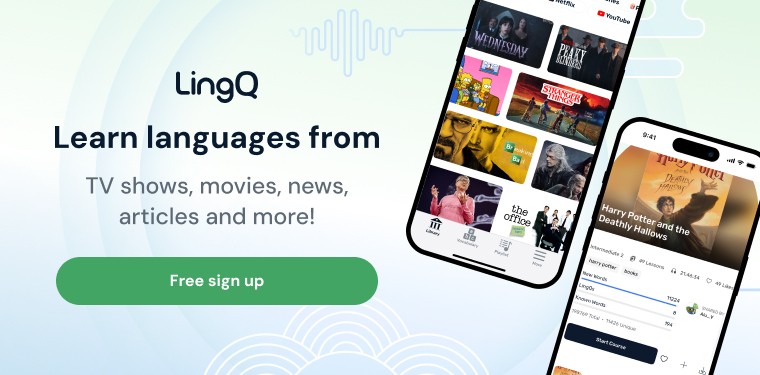
This is what LingQ is built for. You import the content you actually want to engage with (a YouTube video, a Netflix episode’s subtitles, a news article, a podcast transcript), and the platform turns it into an interactive lesson where every word is clickable. New words show up in blue, you click to see meaning and pronunciation instantly, save them as “LingQs” in your personal vocabulary database. This makes challenging content more accessible, and your progress becomes quantifiable.
The LingQ Mini Stories (60 short stories in each major language, with audio) are the natural next step after Duolingo. They’re built around the most common vocabulary, paced for upper-beginners, and they introduce you to reading and listening at the same time, which is what closes the gap between Duolingo-level understanding and real comprehension.
Realistic Timeline: Duolingo Plus Real Practice
If you’re using Duolingo and want to know when fluency becomes plausible, here are realistic numbers based on putting in roughly one hour per day:
| Goal | Estimated time |
|---|---|
| Complete Duolingo’s main course (A2) | 6 to 12 months |
| Comfortable intermediate (B1) | 12 to 18 months total |
| Conversational fluency (B2) | 2 to 3 years total |
| Advanced proficiency (C1 and above) | 4+ years total |
Of course, these estimates vary depending on your target language and personal circumstances. And remember, it’s assumed you’re combining Duolingo with the real practice described above. Duolingo alone caps at A2 regardless of how long you continue.
Should You Quit Duolingo to Reach Fluency?
Not necessarily. The question isn’t Duolingo vs. real practice. Duolingo can stay in your daily language learning routine as a motivator, but real immersion has to be integrated.
A reasonable progression looks like this:
- Months 1 to 3: Duolingo only. Build the habit. Get to A1.
- Months 3 to 6: Duolingo plus LingQ Mini Stories or beginner podcasts. Start training your ear and read real (but very simple) content.
- Months 6 to 12: Reduce Duolingo time. The priority is increasing time spent reading and listening. Start adding speaking practice via language exchange or a tutor.
- Year 2+: Drop Duolingo or keep it only as daily starting habit or vocabulary-maintenance habit. Spend most of your time consuming native or near-native content, speaking regularly, and reading widely.
The shift isn’t quitting Duolingo. It’s outgrowing it.
FAQs
Does Duolingo actually make you fluent? No. Duolingo’s courses are designed to take learners to approximately A2 on the CEFR scale, which is upper-beginner. Fluency typically means B2 or above.
What CEFR level can you reach with Duolingo? Most Duolingo courses cap at A2. The most-developed courses (Spanish, French) extend into B1 territory in their later sections, but completion rates at those levels are very low.
Is Duolingo enough on its own? No, not for fluency. Duolingo is excellent for building a daily habit and getting through your first 500 to 1,000 words. It’s not designed to take you past A2.
What’s the best thing to do after Duolingo? Add real reading and listening practice in your target language. LingQ Mini Stories are the natural next step because they’re built around the same high-frequency vocabulary as Duolingo but introduce you to longer texts with native audio.
For a wider look at what’s out there, here’s our honest comparison of the best language learning apps in 2026.
How long does it take to reach fluency if I use Duolingo plus other tools? Expect 2 to 3 years of consistent daily practice (one hour per day) to reach B2 conversational fluency, assuming you combine Duolingo with real reading, listening, and speaking practice.
The Honest Answer
Duolingo is a great place to start, but fluency is not the finish line. If you’ve been on the app for months and you can feel that your progress has slowed, you’ve hit the ceiling the platform was designed to hit. Incorporate real reading, listening, and speaking practice to break through the A2 ceiling and continue progressing towards actual fluency.
For most learners, the natural transition is from Duolingo to a comprehensible-input platform like LingQ, where you can use real content in your target language, look up unknown words instantly, and track your vocabulary growth over time. The method works for the same reason Duolingo works for beginners: low friction, high consistency, daily exposure. The difference is the ceiling.
Try LingQ free and pick up where Duolingo leaves off.
Trust the process, stay curious, and keep going. Fluency isn’t a feature you unlock. It’s an inevitable result of consistent immersion.
If you’re also weighing up Rosetta Stone, our Rosetta Stone 2026 review covers the realistic ceiling and who it actually makes sense for.
Writer Bio

Tyler is an American language teacher and language learner. He’s taught Spanish, French and Latin in the K-12 system since 2018. Tyler also speaks Thai and Italian. Currently, he’s learning German and Polish on LingQ!
Twenty minutes a day beats a weekend of drilling.
Read and listen to things you’d have read anyway — LingQ counts every word you pick up along the way.
- 5M+ learners
- 4.7★
- Free to start


You might also like