Best Language Learning App in 2026: An Honest Comparison
 Tyler Tolman
11 Jun 2026
Tyler Tolman
11 Jun 2026
TL;DR
- There is no single best language learning app for everyone. The right choice depends on your level, your language, and what you are trying to do.
- For total beginners and habit-building: Duolingo or Babbel.
- For learners who want real fluency: LingQ.
- For speaking practice at any level: italki.
- For audio-first learning: Pimsleur.
- Most people plateau with apps alone. The ones who get fluent combine apps with real content.
Every year the same question gets asked millions of times: what is the best language learning app?
The honest answer is that it depends on what you are trying to accomplish. The best apps to learn new languages are not always the most popular ones. They are the ones that match your level, your language, and your goal. An app that works well for a complete beginner learning Spanish will not work well for an intermediate learner trying to reach fluency in Japanese. The apps that get covered most in roundups are often the ones with the biggest marketing budgets, not the ones that get people to their goals the fastest.
This guide covers the top language learning apps in 2026, what each one is actually good for, what it costs, and who should use it. The goal is to give you enough information to pick the right one for your situation rather than the most popular one.
The Top Language Learning Apps in 2026: Quick Comparison
How we tested these apps: LingQ was founded by Steve Kaufmann, a polyglot who has learned 20+ languages over 50 years. The apps in this guide were evaluated based on his direct experience, learner feedback from the LingQ community, and measurable outcomes: vocabulary growth, comprehension at each level, and whether learners actually reach conversational fluency. Apps that are popular but produce poor long-term results are rated accordingly. Apps that are less well-known but genuinely work are included on merit. No app paid to be featured here.
Here is a quick overview of the major apps before we go into detail on each one.
| App | Best For | Free Tier | Paid Plan | Languages |
|---|---|---|---|---|
| LingQ | Beginner to advanced learners, fluency | Yes (limited) | ~$14/mo | 50+ |
| Duolingo | Habit building, gamified daily practice | Yes (full) | $7/mo | 40+ |
| Babbel | Structured learners, real-world phrases | No | $8/mo | 14 |
| Rosetta Stone | Visual learners, no-translation method | No | $12/mo | 25 |
| Pimsleur | Audio learners, commuters | Yes (1 lesson) | $20/mo | 50+ |
| italki | Speaking practice, conversation | N/A | Pay per lesson | 150+ |
| Anki | Vocabulary and spaced repetition | Yes (full) | Free | Any |
| Language Transfer | Understanding grammar naturally | Yes (full) | Free | 9 |
LingQ: Best for Anyone Serious About Fluency
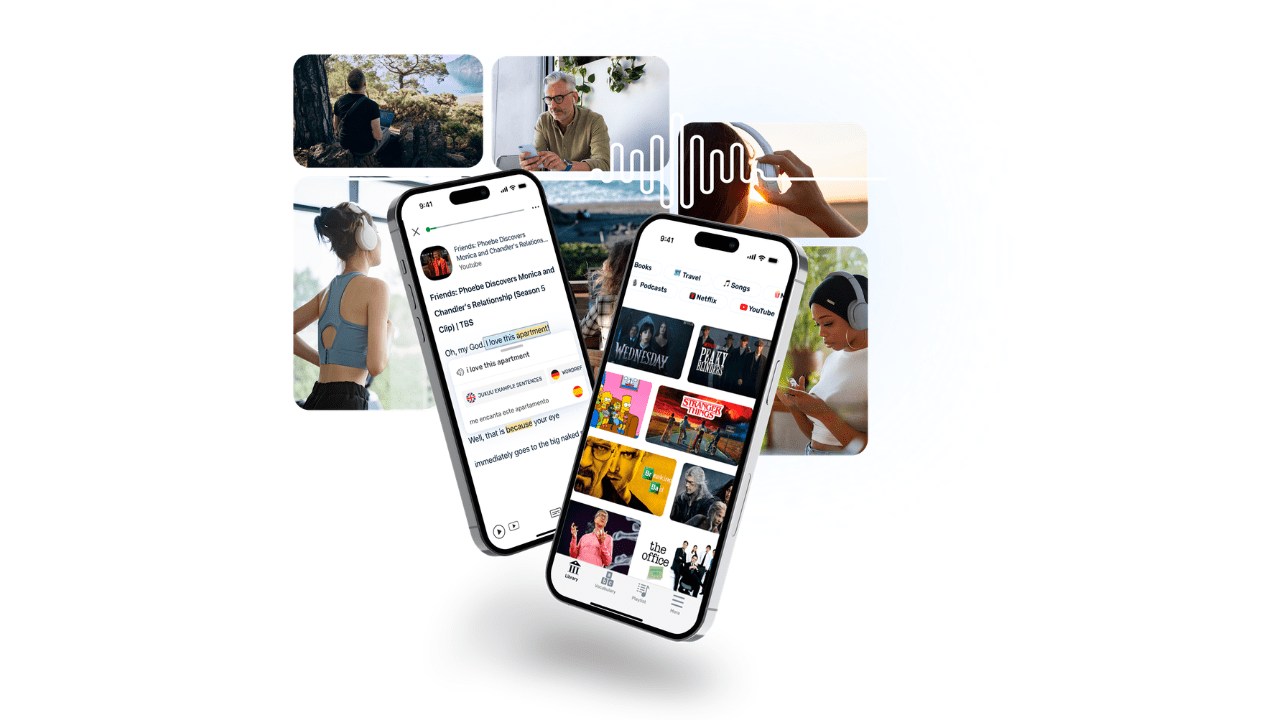
LingQ is built around a single idea: the fastest way to learn a language is to read and listen to real content you actually care about. Instead of pre-packaged lessons with controlled vocabulary, LingQ lets you import anything from a YouTube video to a news article to a novel and turn it into an interactive lesson. You tap any word you do not know, see the translation in context, save it to your vocabulary list, and track your progress over time.
Steve explains the approach in the video below:
LingQ supports your language learning by allowing you to:
- Import anything: Find a news article or a YouTube video in your target language? Import it into LingQ and turn it into a lesson. Read and listen simultaneously, look up words with one click, and review at your leisure.
- Track your vocabulary: Watch your Known Words count grow. Seeing that number hit 1,000, 5,000, or 10,000 is the best motivation there is.
- Listen on the go: Use the mobile app to listen to your lessons or playlists while driving or at the gym.
What it does well: LingQ is the most powerful tool available for moving from beginner to intermediate then to advanced. The content library covers dozens of languages at every level, from beginner Mini Stories to native-level podcasts and literature. The known words tracker gives you a concrete, measurable sense of progress that most apps completely lack. You can also import content from Netflix, YouTube, and podcasts using the browser extension.
What it does not do well: LingQ has a steeper learning curve than Duolingo or Babbel. Speaking practice is not built in, so you need a separate tool like italki for that.
Pricing: Free tier available with limited imports. Premium starts at around $14/month.
Best for: Learners at any level who want to actually acquire the language through content they enjoy, from absolute beginners using Mini Stories to advanced learners importing native podcasts.
Languages: 50+, including Spanish, French, German, Japanese, Chinese, Arabic, Portuguese, Korean, Italian, and more.
Duolingo: Best for Building a Daily Habit
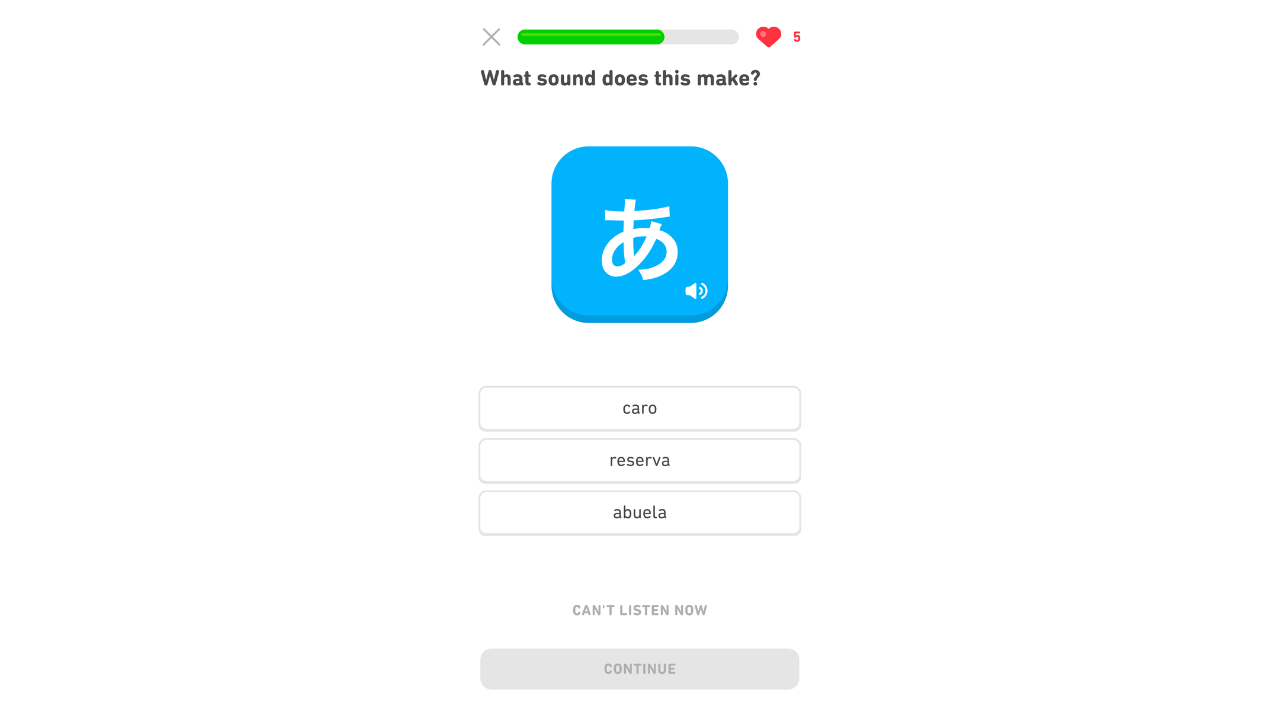
Duolingo is the most downloaded language learning app in the world. It is gamified, free, and designed to make it easy to show up every day. The streak system, experience points, and league tables are genuinely effective at getting learners to practice consistently.
What it does well: Duolingo is the most polished free language app on the market and excellent at one specific thing: turning daily practice into a habit through gamified streaks and short exercises. The app handles the surface mechanics well: basic vocabulary, simple grammar patterns, and the fundamentals of a new writing system. The 2026 version has improved significantly, with more conversational practice and AI-powered exercises. For learning the alphabet of a language like Greek, Korean, or Japanese, Duolingo’s drills are particularly effective.
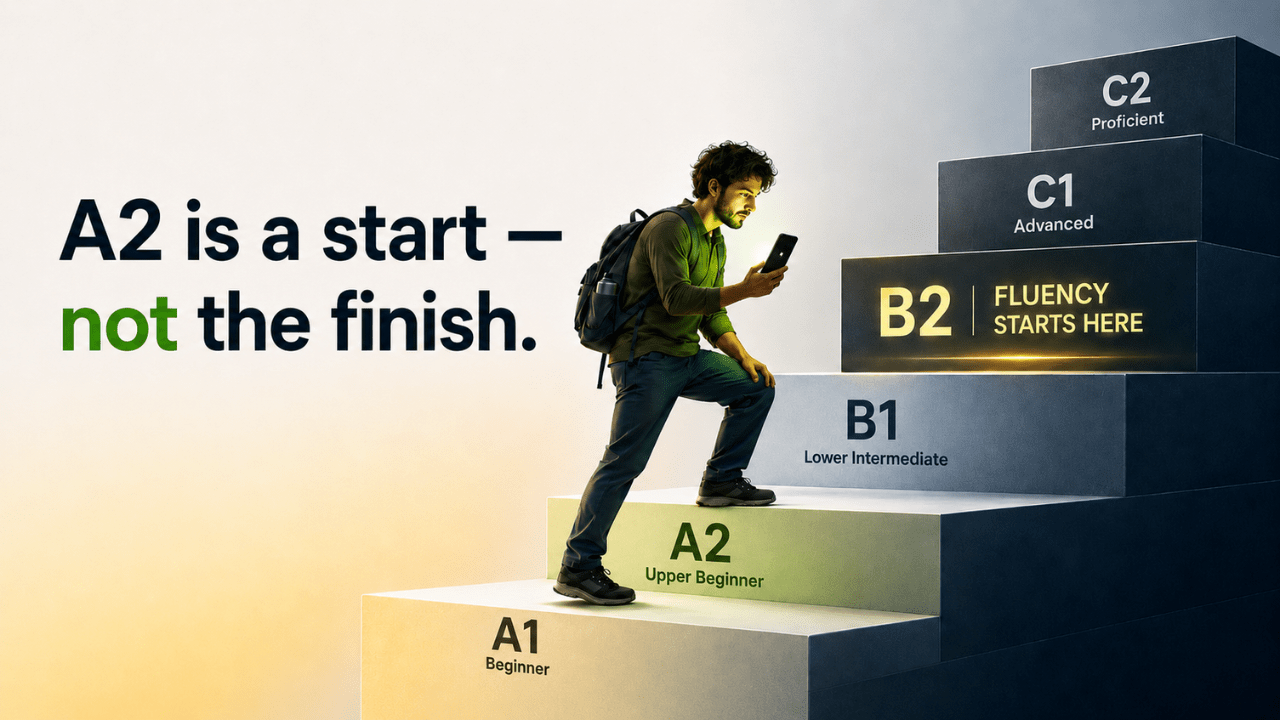
What it does not do well: Duolingo tops out around an A2 level for most learners. The translation drills train you to recognise patterns rather than understand meaning. Most users who study seriously for 6-12 months will find they cannot hold a real conversation despite completing the course. The 2025 energy system also limits free users to roughly 15-20 minutes of practice per day.
For a detailed breakdown of where Duolingo falls short, see our Duolingo vs Babbel comparison.
Pricing: Free with limitations. Duolingo Plus costs around $7/month and removes ads and the energy system.
Best for: Anyone who wants a free daily habit, learners who are starting from zero in a new script, casual practice between LingQ sessions.
Languages: 40+
Babbel: Best for Structured Learners Who Want Real Conversations
Babbel takes a more structured approach than Duolingo, focusing on practical phrases and real-world dialogue from the start. Lessons are written by professional language teachers and feel more like a course than a game.
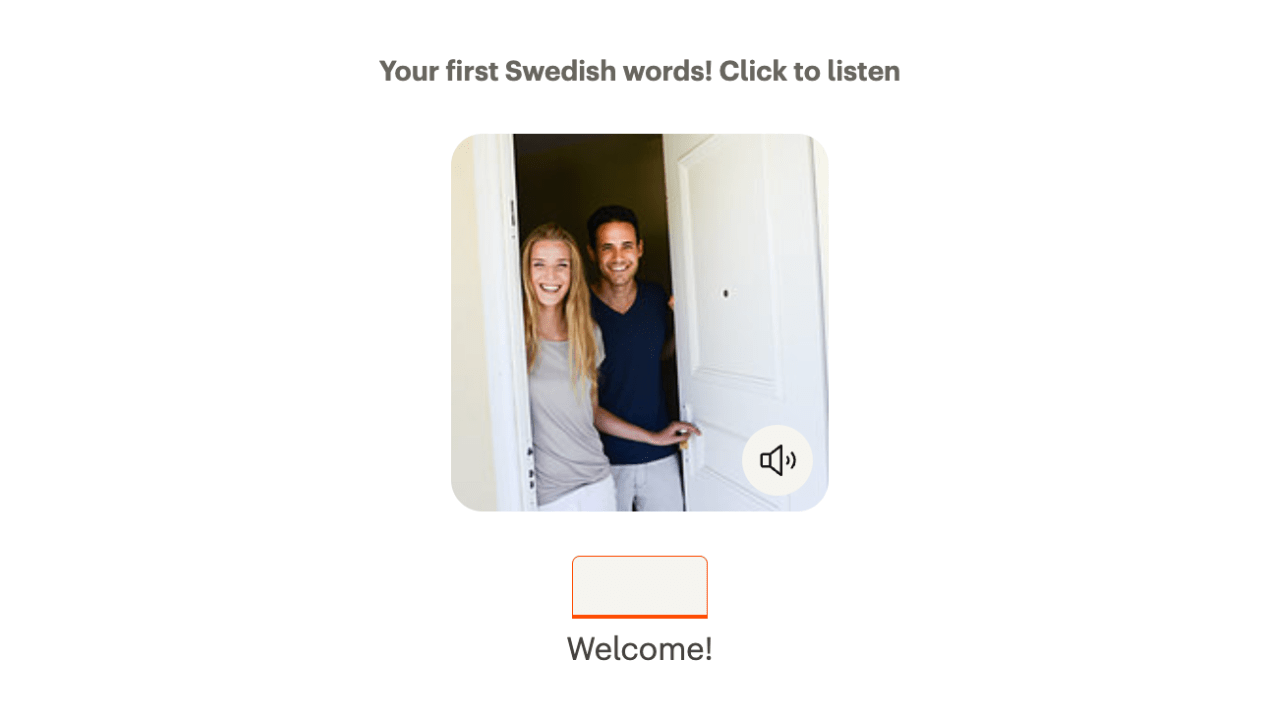
What it does well: Babbel’s speech recognition is better than Duolingo’s, and the grammar explanations are clearer and more complete. It gets closer to B1-B2 level than Duolingo and is particularly strong for European languages. The 10-15 minute lesson format is genuinely usable during a commute.
What it does not do well: Babbel covers only 14 languages, so if you are learning Korean, Japanese, Arabic, or Chinese you will need to look elsewhere. There is no free tier. And like Duolingo, it relies primarily on structured exercises rather than authentic content, which limits how far it can take you. For a full breakdown of where Babbel works and where you’ll hit a ceiling, see our Babbel review.
Pricing: No free tier. Starts around $8/month; cheaper on annual plans.
Best for: Learners who want a more structured introduction to a European language than Duolingo offers, particularly if you only have 10-15 minute lesson windows.
Languages: 14, all European plus Indonesian.
Rosetta Stone: Best for Visual Learners Who Prefer No Translation
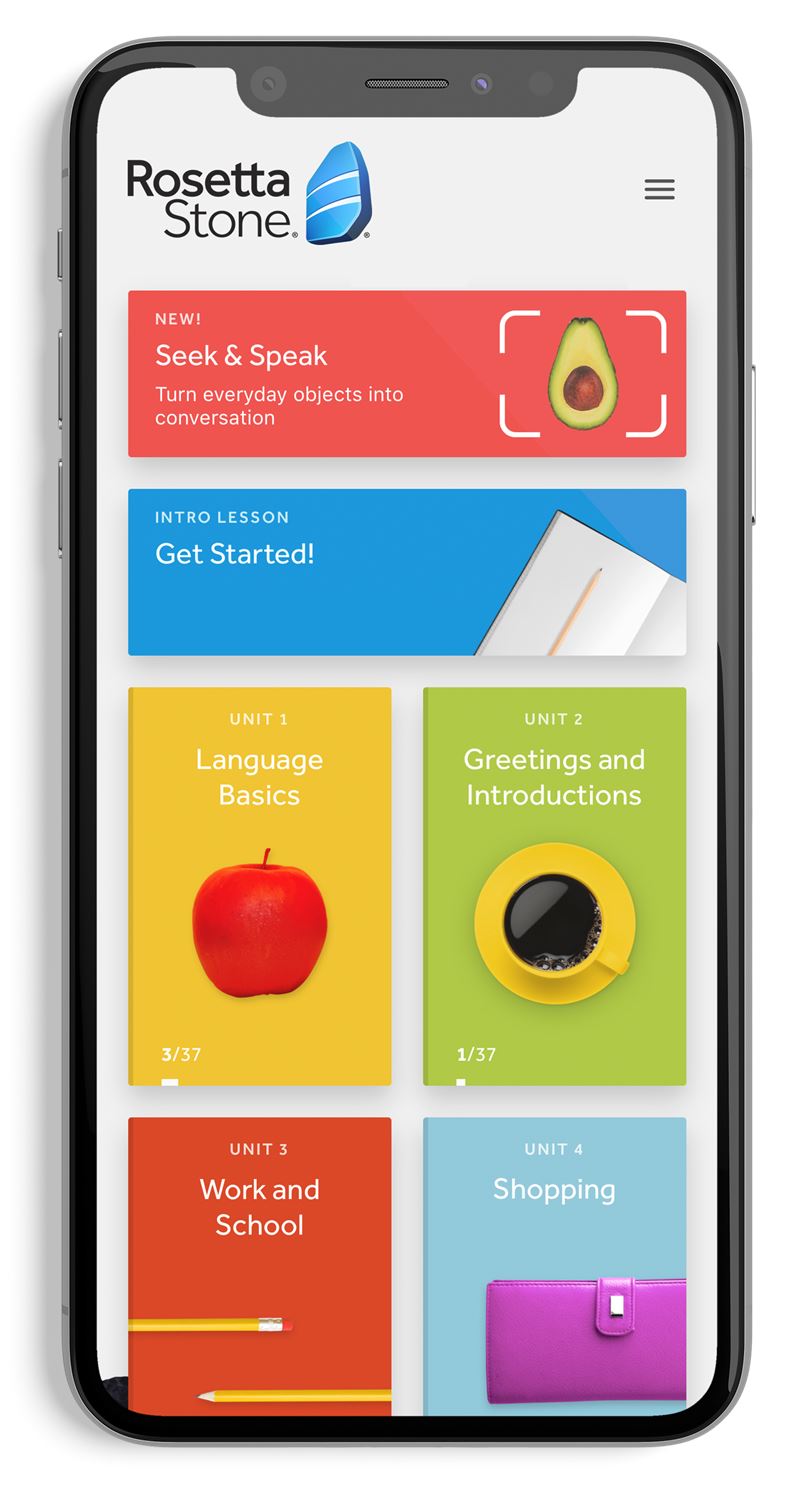
Rosetta Stone is one of the oldest names in language learning software. Its core method is immersion: images and audio with no translation, forcing you to infer meaning from context from the very beginning.
What it does well: Rosetta Stone builds pronunciation habits early and avoids translation dependency. The interface is clean and the live tutoring sessions (included with some plans) add speaking practice that most apps lack. It is particularly well-suited to visual learners.
What it does not do well: Rosetta Stone is expensive relative to what it offers, and progress can feel slow and opaque. The no-translation approach that works well for younger learners can frustrate adults who want to understand grammar explicitly. Coverage of less common languages has declined in recent years.
Pricing: Around $12/month; lifetime plans available.
Best for: Learners who prefer the no-translation method, visual learners, anyone who wants live tutoring built in.
Languages: 25
Pimsleur: Best for Audio-First Learners
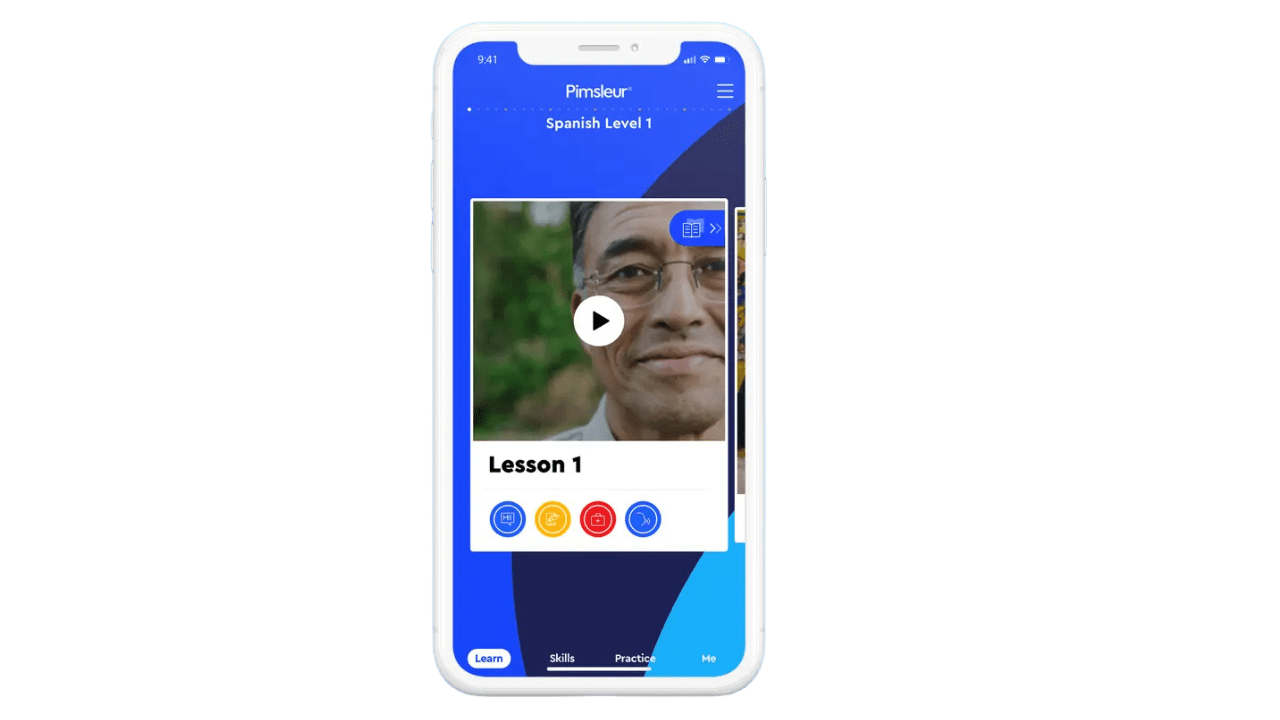
Pimsleur is an audio-only course built around spaced repetition for listening and speaking. Each lesson is 30 minutes and designed to be listened to without looking at a screen.
What it does well: Pimsleur is the best option for learners who spend a lot of time driving, commuting, or doing tasks where looking at a phone is not practical. The method builds strong pronunciation and natural-sounding spoken output faster than most apps. It is also one of the few apps that covers genuinely obscure languages.
What it does not do well: Pimsleur teaches no reading or writing. The course is linear and cannot be customised. It is also expensive for what you get, and the content is not updated frequently. For a deeper look at where it works and where it falls short, see Steve’s Pimsleur review.
Pricing: Around $20/month; individual levels can be purchased outright.
Best for: Commuters and anyone preparing for a trip abroad. If you are looking for the best language learning apps for travel specifically, Pimsleur is the strongest audio option. You can cover the basics of a new language entirely through your headphones before you land.
Languages: 50+, including many languages not covered by other apps.
italki: Best for Speaking Practice
italki is not a course or an app in the traditional sense. It is a marketplace connecting language learners with tutors and native speakers for one-on-one conversation practice via video call.
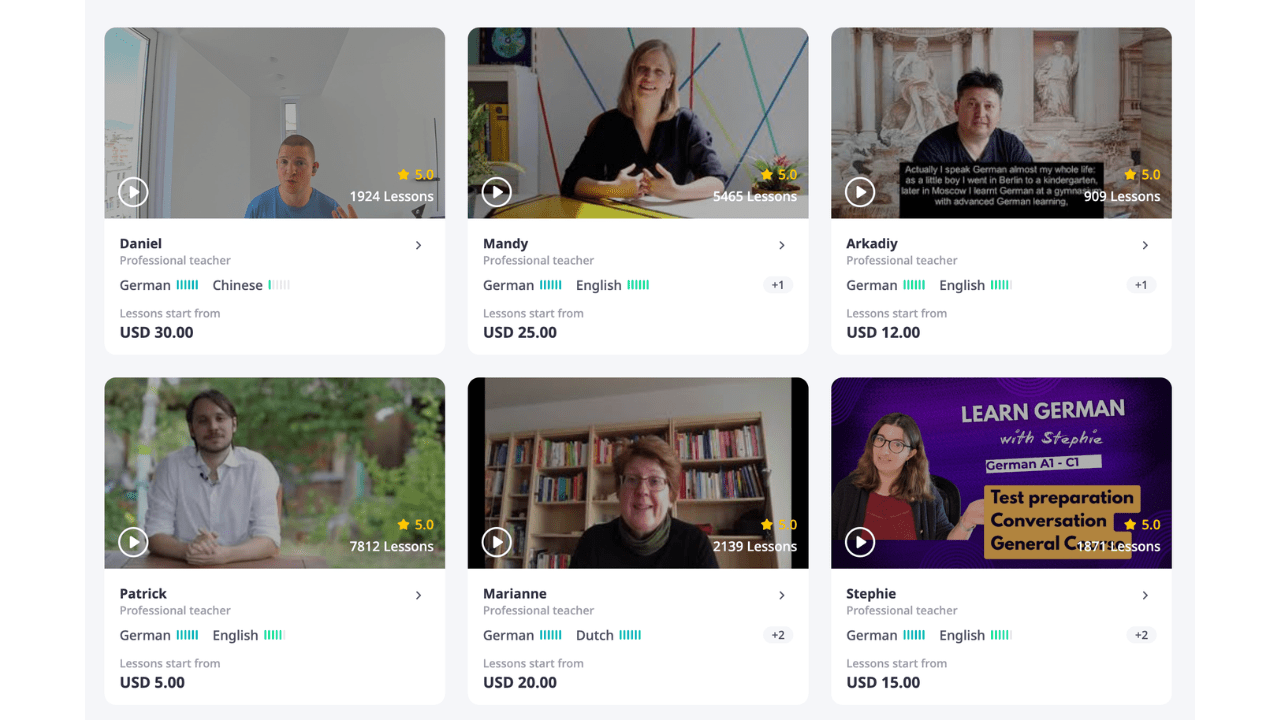
What it does well: Nothing replaces real conversation for developing speaking fluency. italki has tutors for over 150 languages at a wide range of price points, from professional teachers to community tutors offering informal conversation practice. Even one session per week at the intermediate stage accelerates spoken progress faster than any app.
What it does not do well: You need a foundation before italki sessions become efficient. Trying to have a conversation with zero vocabulary is frustrating for both parties. italki works best as a complement to structured study, not a replacement for it.
Pricing: Pay per session. Community tutors start around $5-10/hour; professional teachers $15-40+/hour.
Best for: Anyone at an intermediate level or above who wants to develop speaking confidence. Essential if fluency is the goal.
Languages: 150+
Anki: Best Free App for Vocabulary
Anki is a free, open-source flashcard app built on spaced repetition. It has no structured course, no gamification, and no hand-holding. What it has is one of the most effective vocabulary retention systems ever built.
What it does well: Anki’s spaced repetition algorithm ensures you review words at the exact interval needed to retain them long-term. The community has created shared decks for almost every language and topic imaginable. For serious learners building a vocabulary base in Japanese, Korean, Arabic, or Chinese, Anki is often irreplaceable.
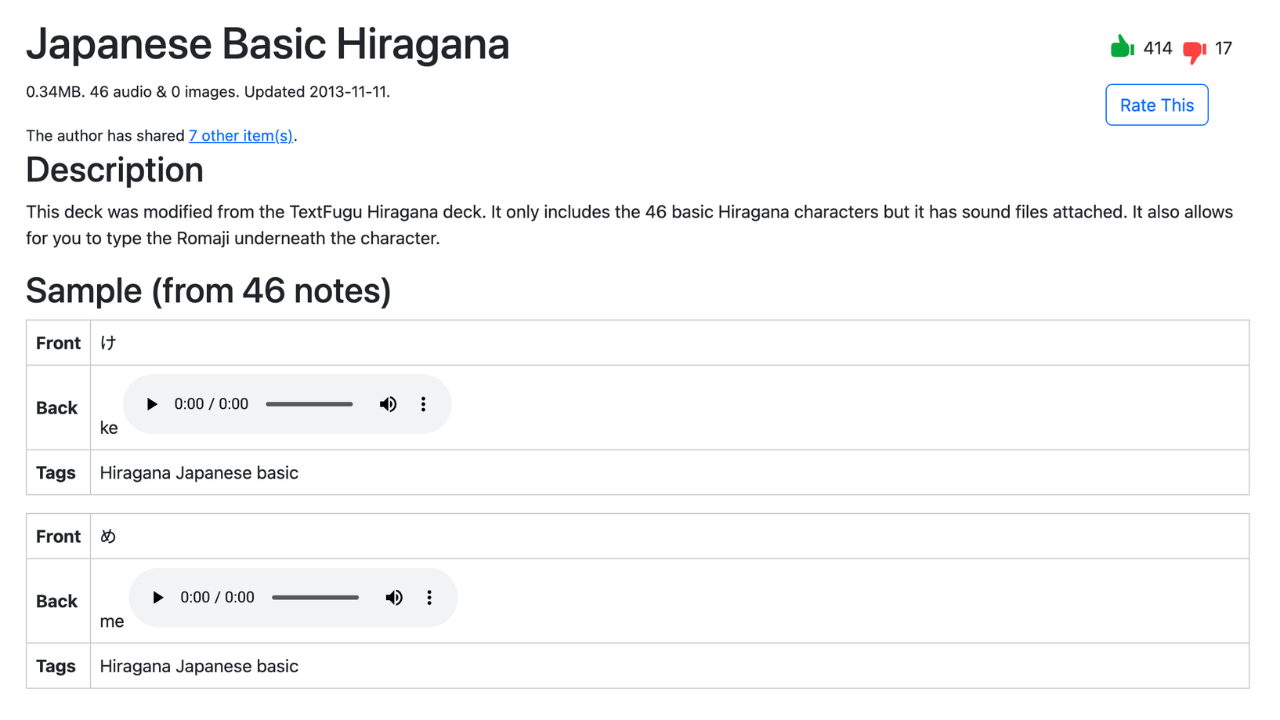
What it does not do well: Anki requires discipline and self-direction. There is no lesson structure, no progress curve, and no feedback on pronunciation or grammar. It is a vocabulary tool, not a language learning system.
Pricing: Free on desktop and Android. A one-time fee of around $25 for the iOS app.
Best for: Self-directed learners building vocabulary, particularly in languages with complex writing systems.
Languages: Any language where community decks exist.
Language Transfer: Best Free Structured Course
Language Transfer is a free audio course created by a single teacher named Mihalis Eleftheriou. The Complete Spanish course has over 10 million downloads. The method focuses on understanding the structure of the language rather than memorisation, and it has a devoted following among serious language learners.
What it does well: Language Transfer is exceptional at building genuine comprehension of how a language works. Rather than giving you sentences to memorise, it guides you to construct sentences yourself, which builds a more durable mental model. It is completely free and available for download.
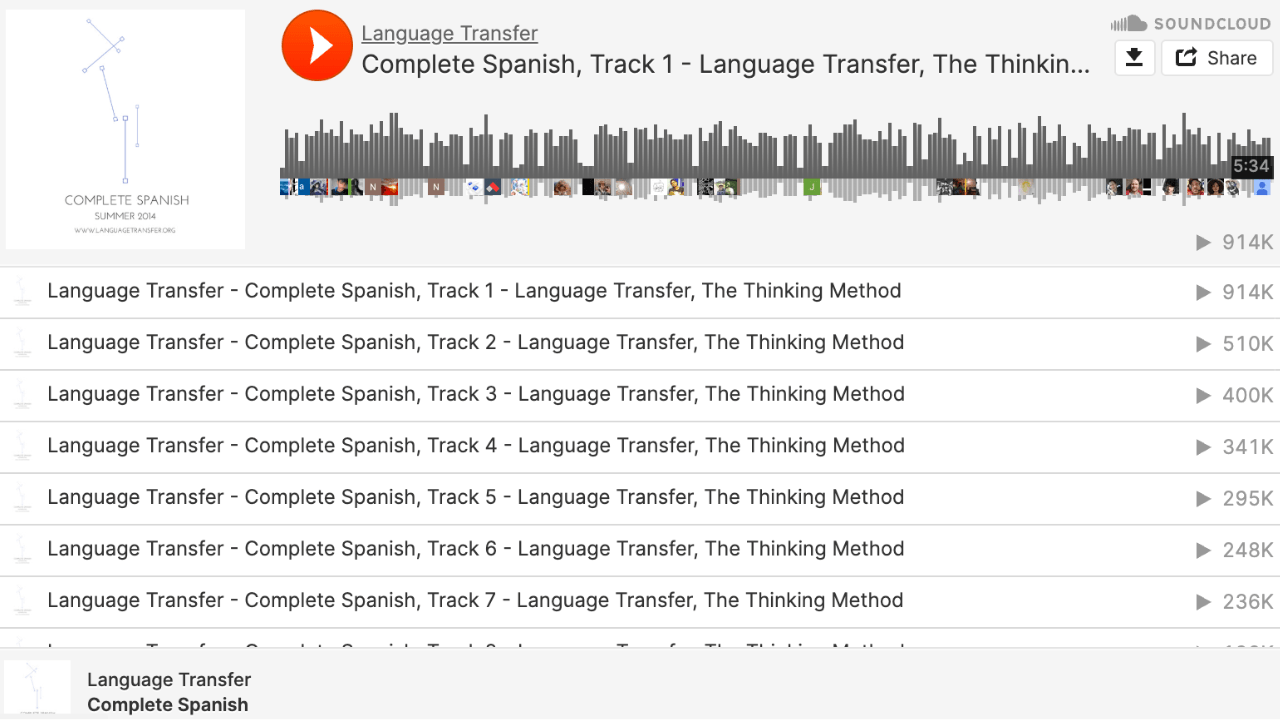
What it does not do well: Only 9 languages are available. There is no reading, writing, or speaking practice. Language Transfer works best as a complement to a content-based approach rather than a standalone method.
Pricing: Free.
Best for: Beginners who want to understand grammar before immersing in content. Pairs very well with LingQ.
Languages: Spanish, French, German, Italian, Greek, Arabic, Swahili, Turkish, Pashto.
Best Free Language Learning Apps: What’s Actually Worth Using at No Cost
If budget is a constraint, here are the best options at zero cost:
- Duolingo (free tier): Good for the basics and building a habit. Capped at 15-20 minutes/day and A2 level.
- LingQ (free tier): Limited imports but the full reading and listening interface is accessible. Worth creating an account just for the Mini Stories.
- Anki: Completely free on desktop and Android. One of the highest-value free tools in language learning.
- Language Transfer: Completely free. Download the audio and go.
- YouTube: Easy Greek, Spanish with Paul, Comprehensible Japanese, and dozens of similar channels provide hours of free comprehensible input at every level.
How to Choose the Right Language Learning App for Your Level

The most common mistake language learners make is choosing an app based on popularity rather than where they actually are. Duolingo is the most downloaded language app in the world. That does not mean it is the right choice for you.
Here is how to think about it by level.
If you are a complete beginner (A1)
Your priority is starting to hear and read the language in real contexts, building base vocabulary, and forming a daily habit. The fastest way to do that is to begin with LingQ’s Mini Stories, short, repetitive beginner stories built specifically for this stage. They give you comprehensible input from day one, with tap-to-translate on every word, so you spend your time actually meeting the language instead of memorising exercises about it.
Add Language Transfer if your target language is one of the nine it covers. The audio-only format means you can do it during a commute, and it gives you a working understanding of the grammar before you have read a word of the language. Anki is useful if you want a quick daily vocabulary review on the side.
Duolingo or Babbel can supplement the routine if you want a gamified daily habit, but neither is a substitute for time spent with real content.
Best combination at this level: LingQ Mini Stories + Language Transfer.
If you are an intermediate learner (A2-B1)
This is where most people get stuck. Gamified exercise apps stop being useful, and the gap between “completed the course” and “can hold a real conversation” can be enormous. The shift that needs to happen at this stage is moving from learner content to real content made for native speakers. If you have been on LingQ since the beginning, this is when you graduate from Mini Stories to imported podcasts, YouTube videos, and news articles. If you are arriving at LingQ now from another app, this is the stage at which the switch becomes urgent.
Add one italki session per week at this stage. Even 30 minutes of conversation practice with a tutor will expose gaps in your speaking that no app ever will.
Best combination at this level: LingQ + italki.
If you are an advanced learner (B2+)
At this point apps are largely unnecessary. Your focus should be on volume: reading books, listening to native podcasts, watching films without subtitles, and having regular conversations. LingQ is still useful for tracking vocabulary and looking up words in context when you encounter something unfamiliar, but it is a support tool rather than the main event.
The most valuable thing you can do at this stage is use italki to work with a professional tutor who can identify specific gaps in your grammar or pronunciation and give you targeted feedback. That kind of feedback is impossible to replicate with any app.
Best combination at this level: Native content + italki for targeted speaking practice.
A note on switching apps
One pattern that holds almost every language learner back is app-hopping. Spending two weeks on Duolingo, switching to Babbel, trying Rosetta Stone, going back to Duolingo. The language does not accumulate across apps. Pick one primary tool for your current level and stay with it long enough to see results. The app matters far less than the consistency.
FAQ: Best Language Learning Apps
For most learners who are serious about reaching fluency, LingQ is the most effective tool available. For complete beginners who want a free, low-friction starting point, Duolingo is the most accessible option. No single app is the best for every situation.
LingQ’s free tier is the strongest free option for actually learning the language, at any level. You get the Mini Stories library (built specifically for beginners), the full reading-and-listening interface, and the known-words tracker, with a cap on how many words you can save. For the most effective free stack, pair it with Anki for spaced repetition and Language Transfer for grammar fundamentals if your target language is one of the nine it covers.
With Duolingo or Babbel alone, no. Their gamified exercise format tops out well below conversational fluency at any level. With a combination of LingQ for reading and listening, and italki for speaking practice, fluency is genuinely achievable. The key is spending most of your time in real content, not in exercises about the language. For more on this, see our post on the best Duolingo alternative.
Babbel is better for structured learning and gets closer to a conversational level. Duolingo is better if cost and habit-building are the priority. Neither gets you to fluency. See our full Duolingo vs Babbel breakdown for a detailed comparison.
LingQ is the most effective tool for learning Spanish at every level. The Spanish content library is one of the deepest LingQ offers. Start with the Mini Stories as an absolute beginner, then move to imported Spanish podcasts, YouTube videos, and Netflix shows as your vocabulary grows. Add an italki tutor for conversation practice once you can manage simple exchanges. Duolingo or Babbel can complement the routine if you want a gamified daily habit on the side, but neither is a substitute for time in real Spanish content.
LingQ is the most effective tool for learning Japanese at every level. The Japanese library is deep, with import directly from YouTube, Netflix, and podcasts. Start with the Mini Stories as an absolute beginner, then move to learner content and real native material as your vocabulary grows. Anki is near-essential alongside LingQ for kanji review. Add italki for speaking practice once you can manage simple exchanges.
LingQ is the most effective tool for learning German at every level. The German content library is deep. Start with the Mini Stories as an absolute beginner, then move to news articles, podcasts, and YouTube videos as your vocabulary grows. Language Transfer’s German course is a strong audio companion for grammar fundamentals in the early weeks. Add an italki tutor once you can manage simple conversation, so you have someone to actually speak with. Duolingo or Babbel can complement the routine if you want a gamified daily habit on the side, but neither is a substitute for time in real German content.
The best language learning app is the one that matches where you are right now and gets you moving toward where you want to be. Most learners need two or three tools working together rather than one app that claims to do everything.
Languages are grown, not memorized. That happens through massive exposure to content you actually care about, at any level. LingQ is built for exactly that. Start with the Mini Stories.
Writer Bio

Tyler is an American language teacher and language learner. He’s taught Spanish, French and Latin in the K-12 system since 2018. Tyler also speaks Thai and Italian. Currently, he’s learning German and Polish on LingQ!
Twenty minutes a day beats a weekend of drilling.
Read and listen to things you’d have read anyway — LingQ counts every word you pick up along the way.
- 5M+ learners
- 4.7★
- Free to start


You might also like