
Japanese Podcasts: The Best Options for Every Level
 Tyler Tolman
14 Jun 2026
Tyler Tolman
14 Jun 2026
TL;DR
The best Japanese podcasts depend on your current level and what your personal interests are. Absolute beginners should start with shows that use slow speech and high-frequency vocabulary. Intermediate learners are ready for more natural-paced, slightly longer Japanese conversation podcasts. Advanced learners can dive into native content built for Japanese audiences. Most learners overlook the importance of active learning with podcasts. Passive listening is helpful, but teaches very little. Importing podcast transcripts into LingQ turns each episode into interactive comprehensible input.
The Short Answer
Pick a podcast at or slightly above your current Japanese level. Listen actively, not passively. In other words, if a podcast offers a transcript (and most learning-focused shows do), import the transcript into LingQ to look up unknown words, save them, and track your vocabulary growth. Podcasts for learners of Japanese tend to offer transcripts and other supplemental materials. Native-level podcasts rarely do, but this is less critical for advanced learners.
How to Learn Japanese with Podcasts
Language acquisition research consistently shows that learners acquire languages best through extensive exposure to comprehensible input. In other words, reading and listening to mostly understandable content in Japanese is the best way to learn the language. Podcasts are ideal for language learners, especially when accompanied by a transcript.
Japanese has some features that can only be grasped through extensive exposure. For example, the language is mora-timed rather than stress-timed, pitch accent adds meaning not captured in writing, and short particles like は, が, を, and に are easy to miss without trained ears. Learners don’t absorb this information effectively from textbook study. It has to come from listening.
We’ve compiled a list of learner-friendly Japanese podcasts to train your ears and boost your listening comprehension. The list below covers the strongest options at each level.
Our Criteria
We ranked podcasts on three factors:
- Difficulty. If a podcast is too easy, it’s likely not very interesting. If a podcast is too difficult, it just sounds like noise.
- Audio quality and pacing. We chose podcasts with clear recordings, slower pacing for learner-focused shows, and natural pacing for advanced.
- Transcript availability. Without a transcript, it’s more cumbersome to look up unknown words and analyze the podcast more deeply. We prioritized shows that publish transcripts (free or via Patreon).
All of the podcasts below are available on standard platforms (Apple Podcasts, Spotify, YouTube Music) unless noted otherwise.
Japanese Podcasts for Absolute Beginners
If you’ve learned hiragana and katakana and can recognize some common kanji, start here. These shows assume very little prior knowledge and speak much slower than natural Japanese.
1. Nihongo con Teppei for Beginners
Host: Teppei
Format: Short solo episodes, 3-5 minutes
Why it works for learners: Teppei speaks slowly and clearly, repeats key phrases, and uses very basic vocabulary. Episodes are short enough to listen multiple times without fatigue. As a novice learner, repetition is necessary. The broader Nihongo con Teppei catalog gradually increases in difficulty if you enjoy the series.
2. JapanesePod101
Format: Multi-host, content across all CEFR levels
Why it works for learners: This is possibly the largest catalog of structured Japanese audio lessons online. Beginner episodes use English to explain grammar and vocabulary, then integrate more Japanese as you progress. The catalog also includes culture and slang episodes that break up the structure. The free tier is generous, but limited. The paid plan unlocks transcripts and study tools.
3. Learn Japanese with Noriko
Host: Noriko
Format: Solo episodes, 10-25 minutes
Why it works for learners: Noriko speaks calmly and clearly at a beginner-friendly pace, covering everyday topics like food, family, weather, and travel. Transcripts are available through her website. Her catalog also extends into intermediate-level episodes, so the show grows with you for quite awhile.
How to use Japanese Podcasts with LingQ
A podcast playing in your ears is exposure. This is worth your time, but you can still adopt a more active approach. Listening and reading simultaneously is the best way to boost your comprehension skills. Look up unknown words, save them, and review them later. LingQ is built for this.
Here’s how to reap the most benefit from your Japanese podcasts with LingQ.
- Find a podcast that you enjoy.
- Import the transcript into LingQ as a new lesson.
- On LingQ, the transcript and audio sync up for smoother simultaneous reading and listening.
- Tap any unknown word to see the translation, save it to your vocabulary, and review as you need.
- Re-listen to the same episode at least once without the text. You’ll be surprised by how much you understand.
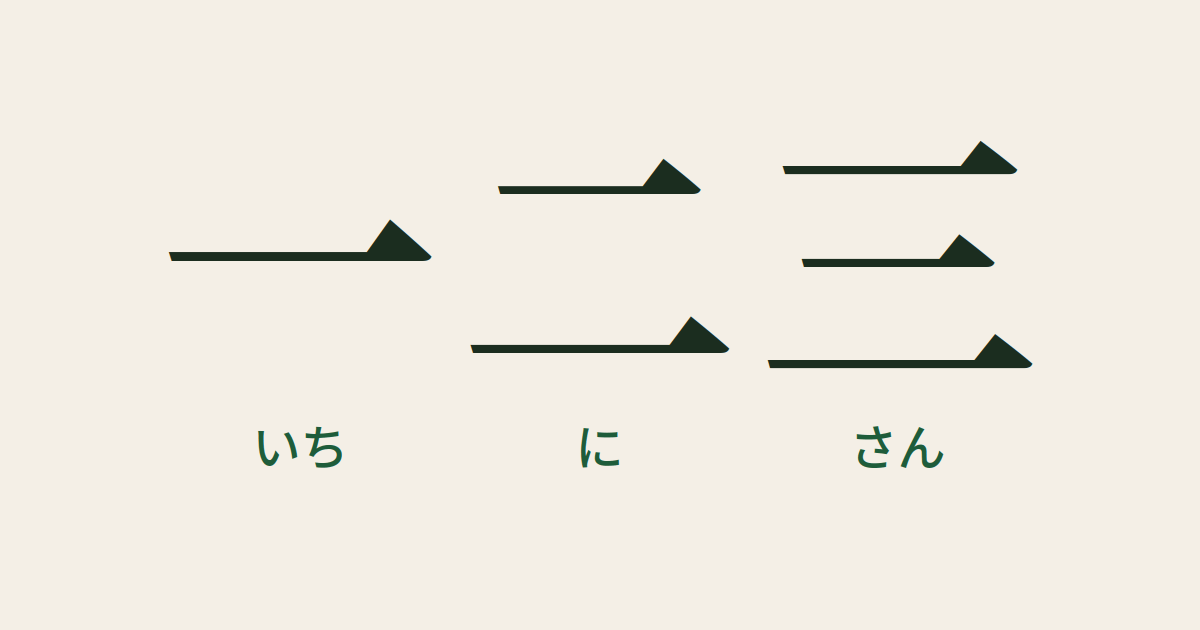
LingQ supports Japanese as one of its core languages, with full furigana support, built-in Mini Stories for absolute beginners, structured vocabulary tracking, and the import tool that turns any text into a custom language lesson. If you’re just getting started, the Japanese Numbers guide is a useful next step for vocabulary fundamentals.
All ten podcasts listed in this post are importable into LingQ as transcripts.
Japanese Podcasts for Intermediate Learners
If you can follow basic conversational Japanese, read simple texts, and know somewhere between 1,000 and 3,000 words, definitely give these podcasts a try. These shows offer a more natural pace and wider topical variety, but are still made with the learner in mind.
4. Yuyu Nihongo Podcast
Host: Yuyu
Format: Solo episodes, 15-30 minutes
Why it works for learners: Yuyu speaks at a moderate, natural pace and covers a wide range of everyday topics, from cooking to current events to cultural observations. His content is great for learners who want to bridge from slow learner audio to native-pace conversation. Many episodes include transcripts with a Patreon membership.
5. Let’s Talk in Japanese!
Host: Tomo
Format: Solo episodes, 10-20 minutes
Why it works for learners: Tomo uses simple natural Japanese on conversational topics, often with a teacherly framing that flags useful vocabulary as it appears. Pacing is moderate and the topic range is broad enough for intermediate learners to stay engaged.
6. Bilingual News
Hosts: Mami and Michael
Format: Two-host conversations, 30-60 minutes
Why it works for learners: Episodes alternate between Japanese and English as the hosts discuss world news. The bilingual structure means you always have context and entry points, which makes it possible to push past your comfort zone without losing the thread. This is particularly well-suited to learners who want a safety net alongside exposure to natural Japanese.
7. NHK Easy Japanese
Format: Short structured lessons, 10-15 minutes
Why it works for learners: NHK’s free Japanese learning offering uses everyday scenarios (commuting, dining out, work) with simplified vocabulary and clear pronunciation. Quality production, free to access, and pairs well with NHK’s News Web Easy text content for reading practice on the same vocabulary.
Japanese Podcasts for Advanced Learners
You can follow native-paced Japanese conversation, handle most everyday vocabulary, and want to push toward true fluency. These podcasts are made for Japanese audiences, not learners, and rarely come with transcripts.
8. Rebuild.fm
Host: Tatsuhiko Miyagawa
Format: Tech and culture discussions, 60-120 minutes
Why it works for learners: Native-pace Japanese with tech-savvy guests. Vocabulary skews toward technology, software, and Western pop culture, so it’s most useful for learners with that interest. Long episodes mean significant listening volume per session.
9. NHK Radio News (NHK ラジオニュース)
Format: News bulletins, 5-15 minutes
Why it works for learners: Standard Japanese news pacing with formal vocabulary and clear enunciation. The short episodes are easy to fit into a commute, and the daily refresh keeps content current. The vocabulary set you’ll learn from news is somewhat specialized but extremely useful for reading newspapers and understanding TV news later.
10. Off Topic
Format: Tech and business conversation, 60-90 minutes
Why it works for learners: Long-form conversations between Japanese tech and business professionals. Vocabulary is broad and current, and the conversational dynamic is exactly the kind of native Japanese that’s hardest to find in learner content.
Frequently Asked Questions
Nihongo con Teppei for Beginners is one of the most accessible options. Teppei speaks slowly, uses simple vocabulary, and keeps episodes short enough to re-listen comfortably.
Yes, but passive listening alone is not enough. To actually learn from podcasts, listen actively, look up unknown words, and where possible study with the transcript.
Yes. Nihongo con Teppei publishes free episodes, NHK offers free Japanese learning resources alongside its podcasts, and many learner-focused shows provide transcripts on their websites.
20-30 minutes of focused daily listening produces meaningful progress over months. The bigger factor is consistency and active engagement, not raw hours.
Learner podcasts are produced for Japanese students and feature slower speech and simpler vocabulary. Native podcasts are produced for native Japanese speakers.
Ready to learn Japanese from the podcasts you actually enjoy?
LingQ lets you import your favorite Japanese content, read it alongside the audio, and track your progress over time. Browse LingQ’s Japanese library, immerse yourself in the language, and watch your known word count grow.
Writer Bio

Tyler is an American language teacher and language learner. He’s taught Spanish, French and Latin in the K-12 system since 2018. Tyler also speaks Thai and Italian. Currently, he’s learning German, Japanese and Polish on LingQ!
Twenty minutes a day beats a weekend of drilling.
Read and listen to things you’d have read anyway — LingQ counts every word you pick up along the way.
- 5M+ learners
- 4.7★
- Free to start


You might also like