



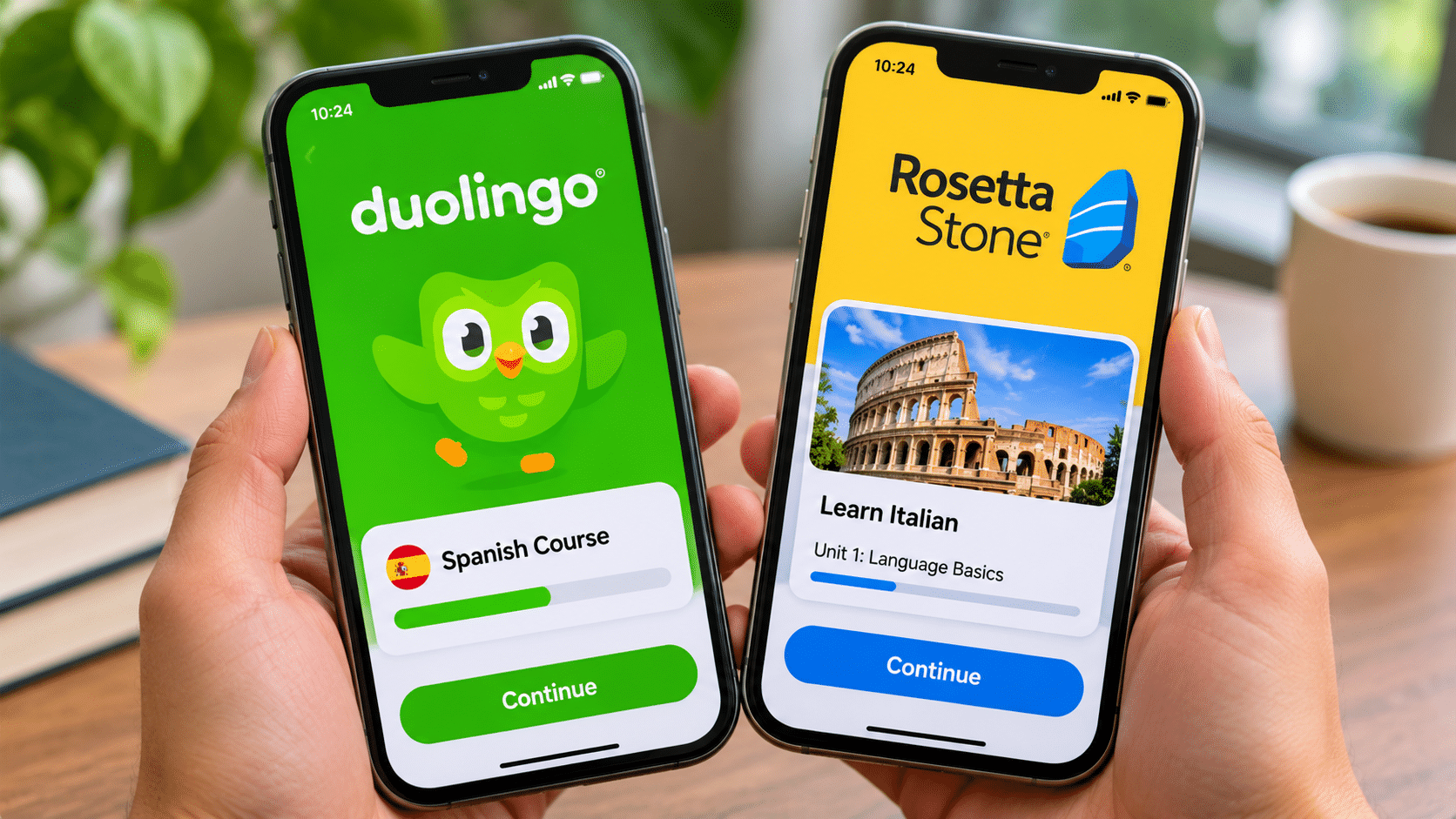
Duolingo and Rosetta Stone are two of the best-known names in language learning, and they couldn’t be more different. One is a free game you play for five minutes a day. The other is a paid course that throws you into the language from the first screen, with no English to lean on.
So which one should you use? Below, we compare how they work, what they cost, how quickly they get results, and who each one suits. A quick disclosure: we make LingQ, a different kind of language app, so we’re not neutral. We’ve tried to be fair, and we’ll tell you where each one does well.
Duolingo vs Rosetta Stone at a Glance
| Duolingo | Rosetta Stone | |
|---|---|---|
| Approach | Gamified lessons with translation | Full immersion, no translation |
| Price | Free; Super from about $7 a month (yearly) | About $10–12 a month (yearly, one language); lifetime around $150–$200 on sale |
| Languages | About 40 | 25 |
| Best for | Building a habit, trying a language for free | Beginners who want structure and good pronunciation |
| Speed (Spanish study) | About 34 hours to first-semester level | About 13 hours to first-semester level |
| Free option | Yes, the full course with ads | Demo lesson only |
| Grammar explanations | Brief tips | Almost none, by design |
How Duolingo Works
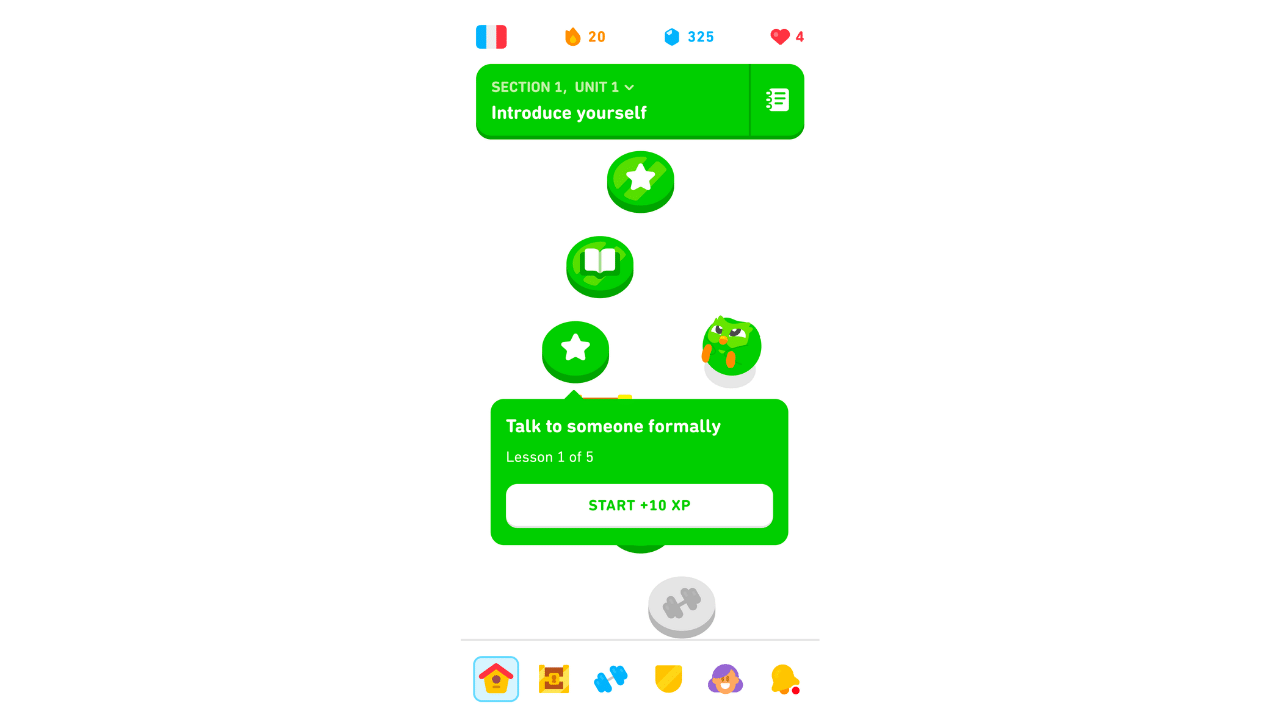
Duolingo turns language learning into a game. You follow a path of short units, each made up of quick exercises: translate a sentence, match words, tap the words you hear, speak a phrase. You earn points, keep a daily streak, and compete in weekly leagues.
The free version gives you the whole course, with ads and a limit on mistakes (Duolingo’s “energy” system). Super Duolingo removes the ads and the limits. Duolingo Max adds AI features, like video calls with a character and explanations of your answers, in some languages.
Duolingo also has short stories and an audio feature, DuoRadio, which give you a little more listening practice.
How Rosetta Stone Works
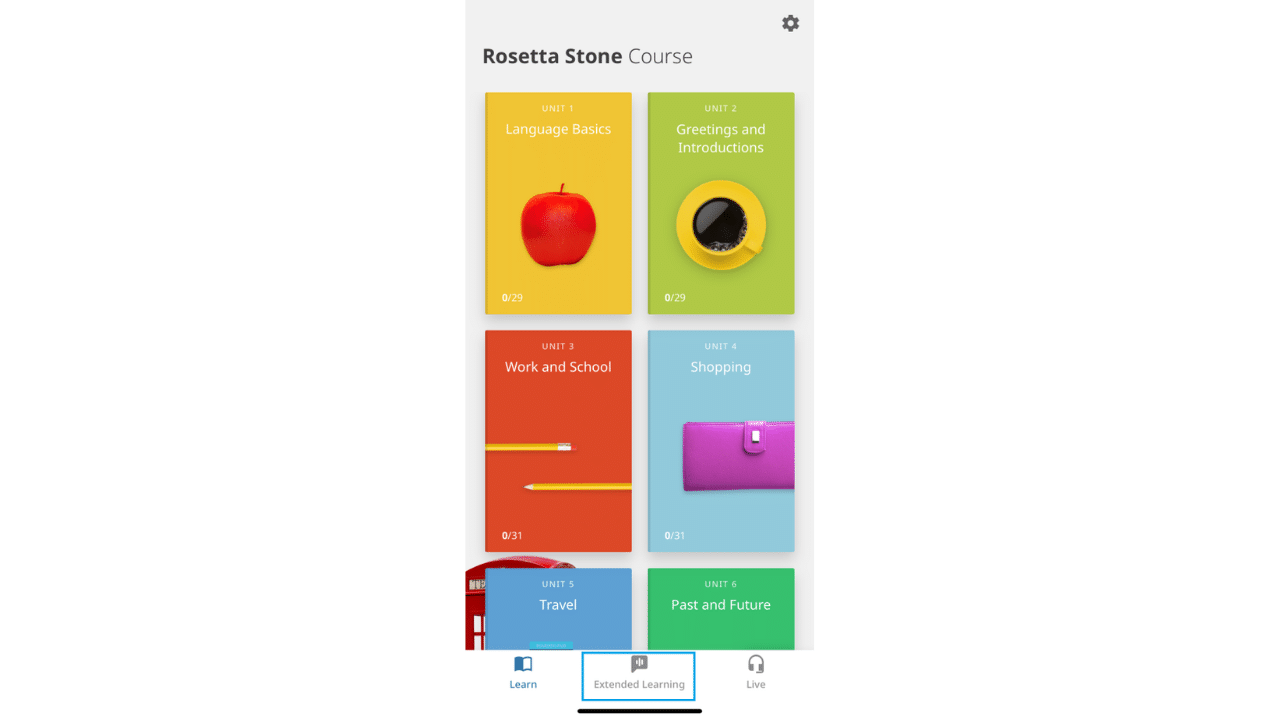
Rosetta Stone takes the opposite approach. It uses what it calls Dynamic Immersion: you see pictures, hear native speakers and read the target language, with no English translations. You work out the meaning from context, the way you would if you were living in the country.
Lessons are structured into units and levels, with a lot of speaking practice. Its speech recognition, TruAccent, gives you feedback on your pronunciation. Extras include short stories, an audio companion for listening on the go, a phrasebook and, for an extra fee, live lessons with tutors.
So how do the two compare where it counts?
Teaching Method: Translation vs Immersion
This is the biggest difference between them.
Duolingo relies on translation. You see a sentence in one language and turn it into the other. That makes it easy to start, but it keeps your brain in “translate mode,” which slows you down when you try to understand real speech.
Rosetta Stone avoids translation entirely. It’s harder at first, and some learners find it frustrating not to be told what something means. But it builds the habit of thinking in the language, and its pronunciation practice is strong.
Neither explains grammar much. Duolingo gives short tips; Rosetta Stone gives almost none, on the principle that you’ll pick it up from context.
Which Gets Results Faster?
In an independent study of Spanish learners, researchers measured how many hours it took users of different apps to reach the level of a first-semester college course:
| App | Hours to first-semester level (Spanish) |
|---|---|
| LingQ | About 13 |
| Rosetta Stone | About 13 |
| Babbel | About 21 |
| Duolingo | About 34 |
So Rosetta Stone got learners there in well under half the time Duolingo did. The study only covered Spanish, so the gap may differ for other languages, but the pattern matches what many learners report: Duolingo is easy to stick with, but slow. You can read more in our post on the study.
Price: Free vs Paid
Duolingo wins on price. The full course is free if you can live with ads and limits. Super Duolingo costs about $84 a year (roughly $7 a month), or about $13 month to month, though Duolingo tests different prices on different accounts. A family plan for up to six people costs about $120 a year.
Rosetta Stone costs more. A 12-month plan for one language works out at around $10–12 a month. The lifetime plan, which includes all 25 languages, lists at $399 but is almost always on sale for around $150–$200. If you’re sure you’ll use it for more than a year or two, or want more than one language, lifetime is the better deal.
Both run frequent sales, especially around Black Friday and New Year.
Languages
Duolingo offers around 40 languages, from Spanish and Japanese to Irish, Navajo and even High Valyrian. The big languages have the deepest courses; smaller ones are much shorter.
Rosetta Stone offers 25, including the major European and Asian languages, Arabic, Hebrew, Hindi and Tagalog. Its courses are more uniform in depth from language to language.
Duolingo vs Rosetta Stone: Pros and Cons
Duolingo
- Pros: free, fun, very easy to start, great for building a daily habit, lots of languages.
- Cons: slow progress, heavy reliance on translation, little real listening, stays at a basic level.
Rosetta Stone
- Pros: faster results for beginners, builds thinking in the language, strong pronunciation practice, good structure.
- Cons: paid, can feel repetitive, almost no grammar explanations, content is still built for learners rather than real-world language.
Which Should You Choose?
Choose Duolingo if you want to try a language for free, enjoy game-style learning, or mainly need a daily habit. It’s a fine starting point, as long as you don’t expect it to take you far. For more on its limits, see can you become fluent with Duolingo?
Choose Rosetta Stone if you’re a beginner willing to pay for a faster, more structured start, and you like the idea of learning without translations. Our Rosetta Stone review goes into more detail.
But here’s the catch with both: they’re courses. They teach you a set of words and phrases in a set order, using content written for learners. Neither gives you the hundreds of hours of real listening and reading it takes to understand people speaking at normal speed, follow a TV show, or read a book. That’s where most learners get stuck, whichever app they started with.
The Alternative: Learn From Real Content With LingQ
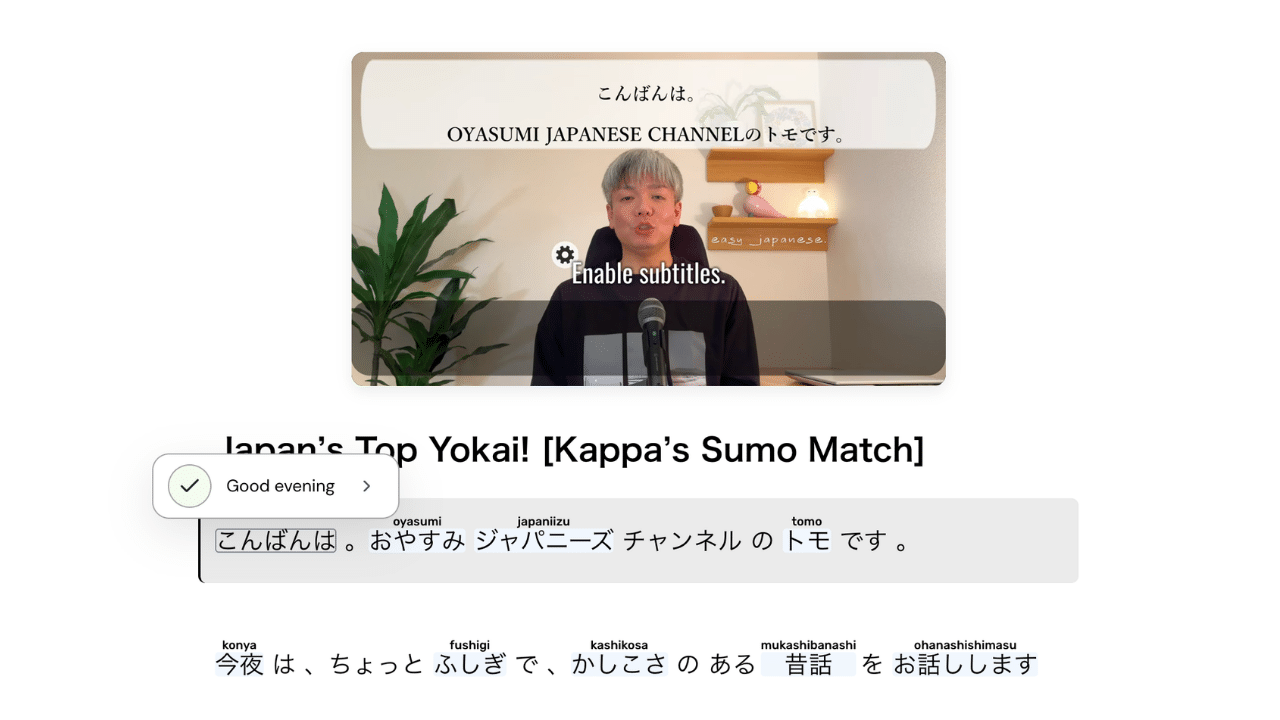
LingQ takes a different approach. Instead of exercises, you learn by reading and listening to content in the language, lots of it, at your level.
- Start with beginner stories. Mini Stories and graded lessons with native-speaker audio get you going from day one.
- Tap any word to see what it means. Save it, and LingQ highlights it everywhere it appears again, so your vocabulary grows across everything you read and listen to.
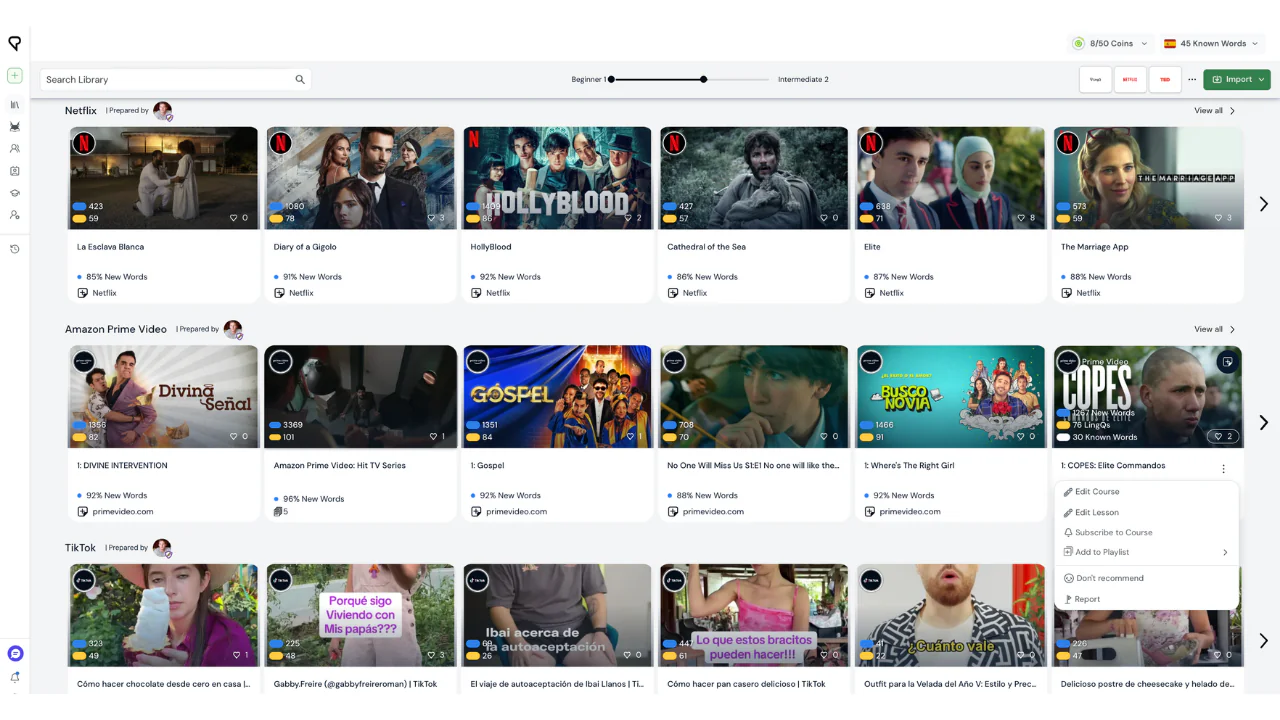
- Move on to real content as soon as you can. Import Netflix shows, YouTube videos, podcasts, articles and ebooks, and turn them into interactive lessons.
- Learn more than 40 languages, all with the same reader and word tracking.
In the same Spanish study, LingQ learners reached first-semester level in about 13 hours, matching Rosetta Stone and well ahead of Duolingo. The difference is what comes next: with LingQ, you don’t run out of courses. You keep going with whatever you actually want to watch and read.
LingQ also works well alongside either app. Many learners use Duolingo or Rosetta Stone for the first few weeks, then switch to LingQ once they want to understand real conversations, shows and books. For a direct comparison, see LingQ vs Duolingo, or browse more options in our guides to Duolingo alternatives and the best language learning apps.
FAQs
Is Rosetta Stone better than Duolingo?
For getting started quickly, yes. In an independent study of Spanish learners, Rosetta Stone users reached first-semester level in about 13 hours, compared with about 34 for Duolingo. Duolingo is free and better for building a daily habit.
Is Rosetta Stone worth the money?
It can be, if you’re a beginner who wants a structured, immersive course and you’ll use it regularly. The lifetime plan, usually on sale for around $150–$200, is the best value if you’ll study for more than a year or learn more than one language.
Can you become fluent with Duolingo or Rosetta Stone?
Not with either app alone. Both are good for the basics, but fluency takes hundreds of hours of listening to and reading real language. Most learners pair an app with real content like podcasts, shows and books.
Which is better for beginners?
Rosetta Stone gets beginners further, faster, and teaches good pronunciation. Duolingo is easier and free, so it’s a good way to test whether you’ll stick with a language before paying for anything.
Is Duolingo really free?
Yes. The full course is free, with ads and a limit on mistakes. Super Duolingo removes those limits for a fee.
What's a good alternative to Duolingo and Rosetta Stone?
If you want to learn from real content rather than exercises, LingQ lets you read and listen to stories, podcasts, videos and shows at your level, look up any word in a tap, and track your vocabulary as it grows.
Go Beyond the Basics With LingQ
Duolingo and Rosetta Stone can both get you started. LingQ is how you keep going: real stories, podcasts and shows at your level, instant word lookup, and vocabulary that grows with everything you read and listen to.
LingQ is free to start, with more than 50 languages and thousands of lessons from beginner to advanced.