Korean Swear Words: The Real Guide to Casual Korean
 Tyler Tolman
18 Sep 2026
Tyler Tolman
18 Sep 2026
Standard Korean from a textbook varies from the Korean you hear from K-dramas, K-pop, and native speakers. Polished, proper Korean may be grammatically correct, but it isn’t always natural. Understanding Korean swear words and colloquial expressions is essential to truly comprehend native media and follow casual conversations. Textbooks often shy away from harsher language, but it’s important to recognize these terms to grasp emotional nuance and natural speech patterns.
In this guide, we will break down the Korean speech level system, examine common expressions (from mild to strong), predict where you will hear them, and show you how to study casual Korean effectively.
The Korean Speech Level System & Why Formality Matters
Before diving into slang and curse words, you need to understand how social hierarchy and formality govern the Korean language. Unlike English, where you mostly adjust formality through your tone or vocabulary, Korean expresses formality through its grammar with mandatory verb endings and speech levels.
Here’s an example with the question “Where are you going?”
- Polite/Formal (Jondaetmal): 어디에 가십니까? (eodie gasimnikka?)
- Standard Polite (Jondaetmal): 어디 가세요? (eodi gaseyo?)
- Casual (Banmal): 어디 가? (eodi ga?)
- Honorifics and Social Standing: Korean society places heavy emphasis on age, status, and social relationships. Using the wrong speech level can cause social friction.
- The Rule of Swear Words: True curse words (yok, 욕) are mostly relegated to the realm of banmal (casual speech) or informal slang. Dropping a swear word while using polite endings (yo요 or nida습니다) sounds jarring or unnatural.
- Context is King: The exact same word can range from playful banter between close friends to offensive speech depending entirely on tone, eye contact, and the social relationship between the speakers.
Common Korean Expressions: From Mild Slang to Strong Curse Words
Curse words are culturally specific. While English curse words often reference blasphemy, Korean swearing often refers to degrading descriptions, bodily functions, or animal comparisons.
Here is a look at common expressions categorized by intensity. (Note: These are provided for linguistic comprehension and media literacy. The goal is not to integrate curse words into your active vocabulary.)
1. Mild Slang and Frustration Exclamations
| Term (Hangul & Romanization) | Meaning & Usage | Safety / Context |
|---|---|---|
| Aigo (아이구) | An exclamation of despair, surprise, or exhaustion (e.g., “Oh gosh!” or “Oh man!”). | Safe for all company and all age groups. |
| Jinjja (진짜) & Slang Variants | Literally means “really,” enhanced with slang markers or tone to add emotional color in casual conversation. | Common in casual conversation among peers. |
You’ll hear these everyday colloquialisms on the street, in variety shows, and among close friends when things go wrong.
2. Moderate Insults and Colloquial Jabs
These terms target intelligence, behavior, or stubbornness.
| Term (Hangul & Romanization) | Meaning & Usage | Safety / Context |
|---|---|---|
| Pabo (바보) | “Fool” or “idiot.” | Mild enough to be used playfully between romantic partners or with children. |
| Nom (놈) / Sekki (새끼) | A derogatory suffix or standalone word meaning “bastard” or “punk.” | Harsh on its own, but sekki is frequently used affectionately among close male friends (e.g., ya, isekki meaning “Hey, you rascal”). |
| Gae- (개-) prefix | A prefix meaning “dog,” used attached to other words as an intensifier (similar to “f***ing” or “super”, e.g., gaesaekki meaning “dog-bastard”). | Ranging from slang intensifiers to harsher insults depending on the attached root. |
| Sibal (시발) | The most common heavy curse word in Korean (comparable to the F-word). | Carries heavy weight; avoid in polite or public settings. Considered vulgar even among close friends in many contexts. |
Cultural Context: When and With Whom Are These Used?
Foreign learners often make the mistake of picking up colorful vocabulary from media and trying it out with casual acquaintances, language exchange partners, or coworkers. Doing this can backfire quickly.
- The In-Group Boundary: Koreans rarely use heavy casual slang or curse words outside of tight, established social circles.
- Age and Hierarchy: Even if you are only one year younger than someone, using casual speech or rough phrasing without explicit permission can be perceived as disrespectful.
- Media vs. Reality: While characters in aggressive crime thrillers or realistic webtoons curse constantly, real-world conversation in polite society is much more restrained.
Where You’ll Hear It: K-Dramas and Variety Shows
The best way to improve your understanding of Korean tone, nuance, and casual speech is through native media consumption.
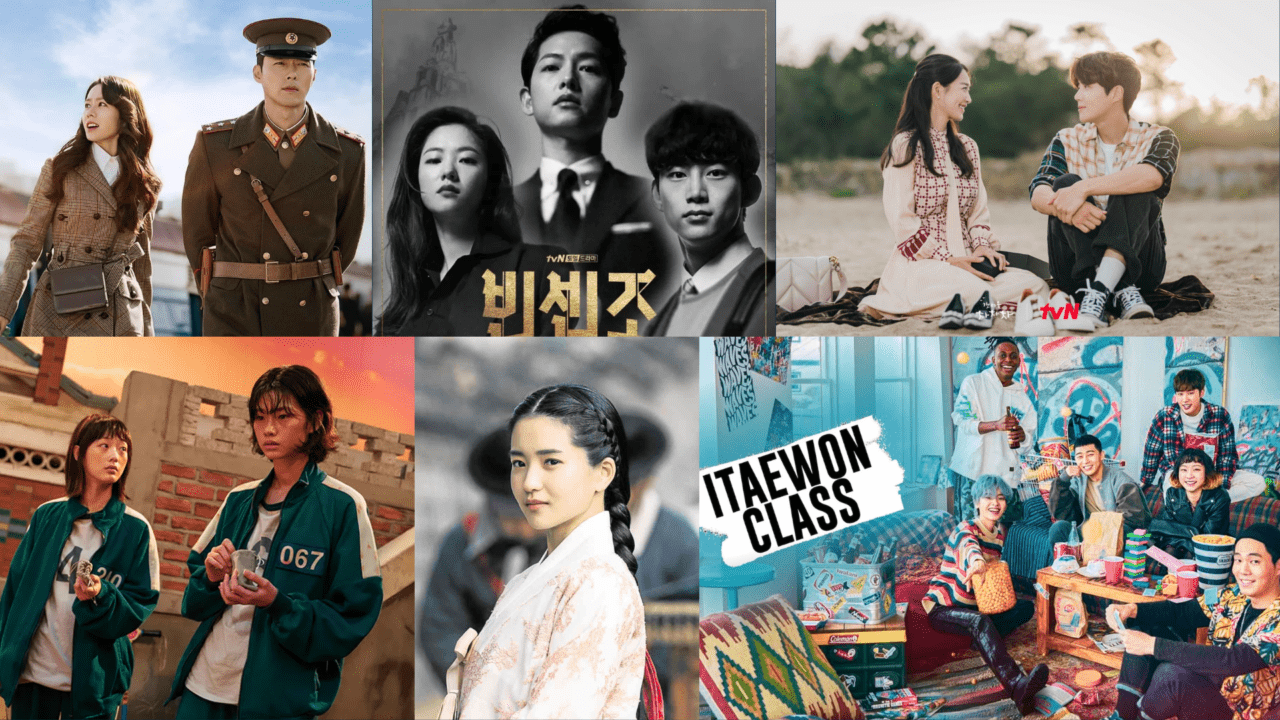
- K-Dramas: Shows focusing on workplace politics, historical settings, or polite family dynamics will teach you standard jondaetmal. However, thrillers, youth dramas, and comedies expose you directly to real banmal and emotional outbursts. If you are interested in this, check out our guide on Korean Dramas on Netflix for recommendations.
- Variety Shows: Programs like Running Man or informal YouTube interview shows capture spontaneous, unscripted banter. Cast members tease each other using slang, quick comebacks, and informal speech markers.
Tip: Tackling fast-paced slang (and Korean content in general) is easier and more effective when you’re comfortable with the Hangul. Reviewing our comprehensive breakdown of the Korean Alphabet and prioritizing your reading skills will prepare you for authentic content.
How to Recognize and Understand Swear Words on LingQ
Encountering unfamiliar slang or rough language while reading webtoons, interviews, or drama scripts can be tricky. Literal translations and cultural references can cause confusion. This is where LingQ changes the process entirely.
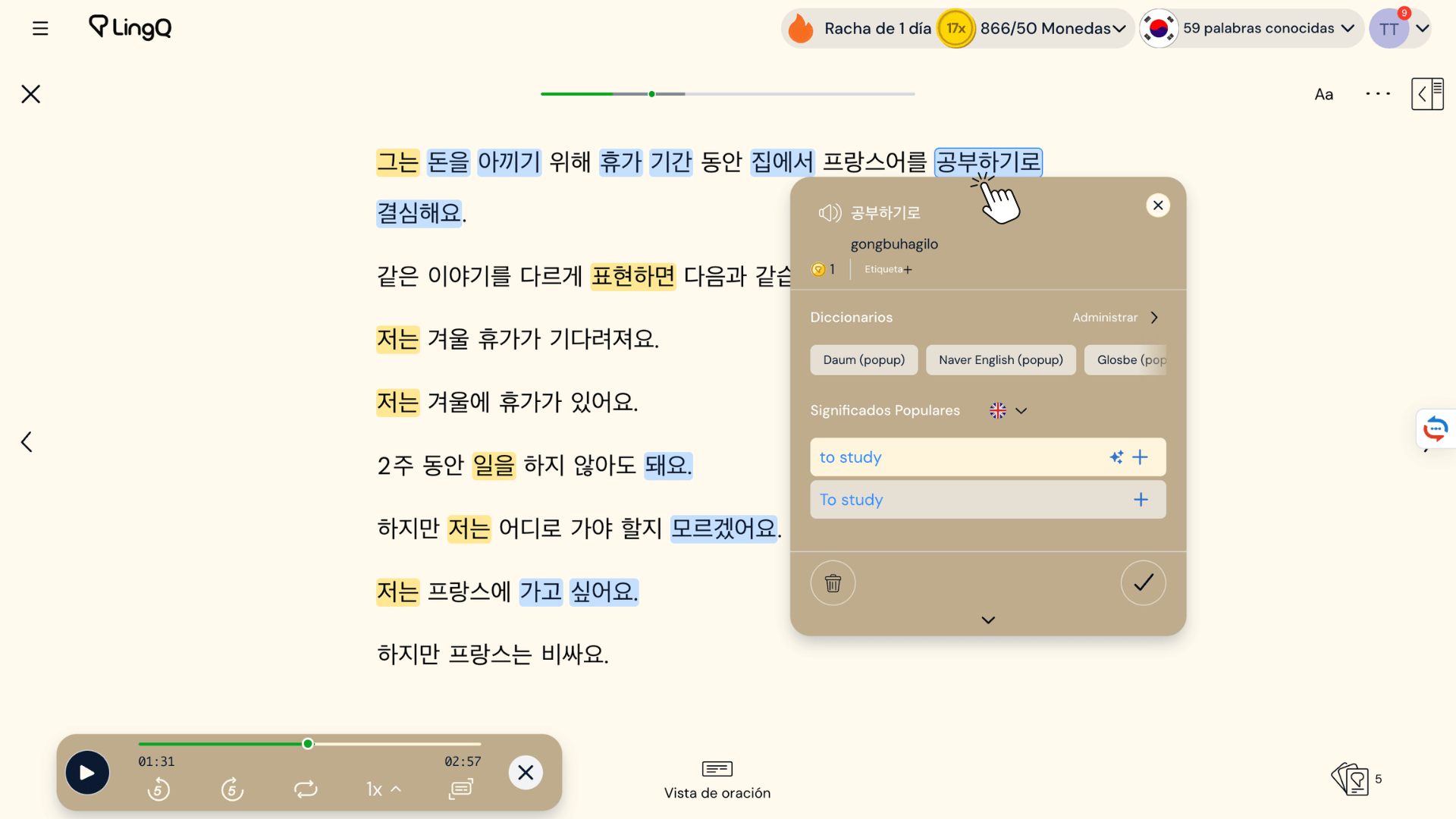
- Endless Content: LingQ’s Korean library is already substantial, but personalize it by importing your favourite YouTube videos, Netflix shows, podcasts, etc.
- Context-based Translations: When you run across an unfamiliar colloquialism or shorthand in a transcript, tap it to see context-based translations and community notes. You’ll have a better understanding of its meaning, register, and politeness level.
- Progress Tracking: Any unfamiliar idiom or slang word that you look up is automatically saved for later review.
- Color-coding: On LingQ, unknown words are blue, words that you’re learning are yellow, and known words are normal. It’s easy to see words that you’re learning across different content. As you see it again and again, the word fades from yellow to normal.
FAQs
Not automatically. Being older can affect speech-level expectations, but your relationship, setting, and whether informal speech has been established also matter. When in doubt, use polite speech until the other person indicates otherwise.
Korean curses are strong, but they tend to focus heavily on social degradation, mocking lineage, or animalistic comparisons rather than religious or explicit sexual blasphemy.
Translators often tone down or adapt heavy Korean curse words into milder English equivalents because literal translations can sound disproportionately aggressive or unnatural to Western audiences.
Consuming native content, such as podcasts, dramas, and unscripted YouTube videos, allows you to observe how native speakers use tone and register passively. Absorb the rules of casual speech without needing to use them yourself.
Writer Bio

Tyler is an American language teacher and language learner. He’s taught Spanish, French and Latin in the K-12 system since 2018. Tyler also speaks Thai and Italian. Currently, he’s learning German and Polish on LingQ!
Twenty minutes a day beats a weekend of drilling.
Read and listen to things you’d have read anyway — LingQ counts every word you pick up along the way.
- 5M+ learners
- 4.7★
- Free to start


You might also like