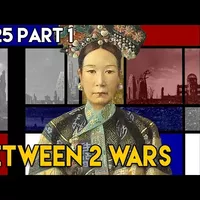
Smashing China to Pieces, the Background | Between 2 Wars | 1925 Part 1 of 2 - YouTube (2)
At least the western powers have now decided that the best way to deal with Middle Kingdom
while avoiding any further escalation is through the ruling dynasty, and the Boxer Rebellion
marks the end of their active involvement in China.
Japan and the Russian Empire, however, have not decided to back down which as we shall
see will have long ranging consequences. And internally the country is more divided than
ever, so the unrest continues. Still, Cixi manages to hold things together to some degree
until 1908 when she dies, one day after the Guangxu Emperor also succumbs to a mysterious
and very sudden illness aged just 37. There are immediate suspicions of foul play and
rumors abound that he has been poisoned so that he cannot succeed the ailing Dowager
Empress, but nothing is proven. In 2008 his remains will be exhumed and found to have
2,000 times the natural level of arsenic in his body. It is unclear who did it, though
most indications hint that it was Cixi's final act in power. Though they are not the
last rulers in the Qing dynasty, their parallel deaths effectively mark the final moments
of Qing rule. You see, their successor is just a two year and ten-month-old little boy
called Puyi who now becomes the Xuantong Emperor. While he learns to walk and talk over the
next three years, the simmering movements towards a more modern China focused on progress
and military might will come together into a motley crew of activists espousing vastly
different ideals, but with one goal in common: revolution.
In our next episode we will see how that revolutionary movement continues to fragment the shards
of China but how one man sets China on a path to re-unification. A unification process that
will also plunge the nation further into bloodshed that will last many decades and contribute
to a series of wars that will eventually become World War 2.
Do not forget to subscribe and please support us on Patreon
To see ever more and ever more in depth historical content
if you'd like to see an episode we did about an individual in China
In the 18th and 19th Centuries, you can click herefor our world DicKtionary episode about Shing Shih
By the end of the 19th century i'm pretty sure that most Chinese did not feel
that the glass was half full, but rather half empty. Well, gānbēi!
See ya next time!
