
Is Norwegian Hard to Learn? A Practical Guide for Beginners
 Tyler Tolman
12 Jan 2026
Tyler Tolman
12 Jan 2026
TL;DR
Norwegian is one of the easier languages for English speakers to learn thanks to shared vocabulary and simple grammar. Focus on listening and reading first, start with simple material, and move towards intermediate-level content that you enjoy. Stay consistent, and don’t rush speaking. Fluency in Norwegian comes to learners who are consistent and enjoy the process.
There are approximately five million speakers of Norwegian around the world. Not surprisingly, the vast majority reside within the Kingdom of Norway. Despite the relatively small number of speakers, the Norwegian language has a lot to offer. Learning Norwegian connects you to a strong economy, a rich cultural heritage, and even other Scandinavian languages.
Is Norwegian hard to learn? The short answer is no. For an English speaker, Norwegian is a relatively easy language to learn compared to most other languages. That said, success in any language depends less on perceived difficulty and more on having the right approach.
What Makes the Norwegian Language Unique?
Norwegian is a North Germanic language. Although an English speaker will notice a lot of familiar vocabulary and intuitive sentence structures when learning Norwegian, the language also has several distinctive features:
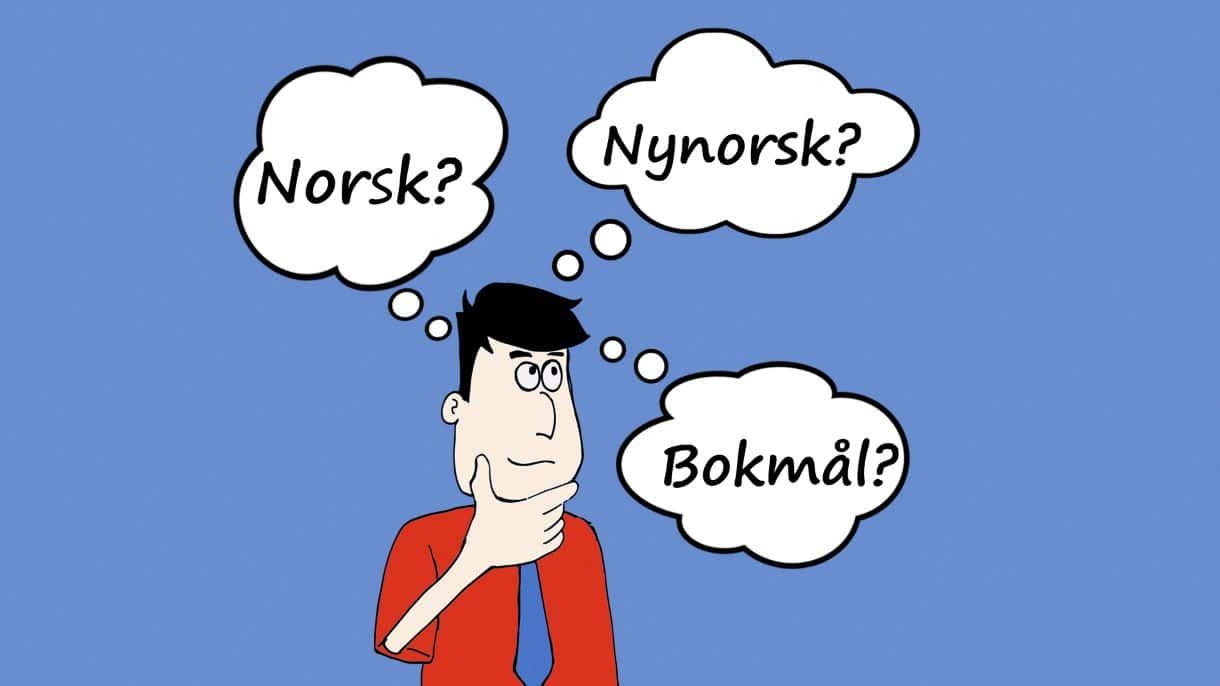
- Norwegians use two writing systems. Bokmål is more common and reflects Norway’s connection to Danish. Nynorsk is based more closely on regional and rural Norwegian dialects.
- Norwegian is a pitch-accented language, which means pitch can affect meaning.
- Norwegian has varying degrees of mutual intelligibility with Danish and Swedish, especially in written form.
Is Norwegian Hard to Learn for English Speakers?
The U.S. Foreign Institute estimates that an English speaker needs 600 class hours (roughly 24 weeks of intensive study) to achieve professional working proficiency in Norwegian. English and Norwegian share many lexical and syntactical similarities, which makes the Norwegian language one of the easier options for English speakers from a purely linguistic perspective.
With consistent exposure and the right learning strategy, most learners of Norwegian can make steady progress and reach a solid level of fluency in a reasonable amount of time.
What Actually Works When Learning Norwegian
To learn Norwegian and achieve real fluency, you’ll need consistency, motivation, and curiosity. Keep the following principles in mind:
- Invest enough time. The more time you spend listening to and reading Norwegian each day, the faster you’ll progress.
- Prioritize comprehension. Communication breaks down the moment you stop understanding. Especially as a beginner, your time is best spent building strong listening and reading skills in the Norwegian language.
- Look for patterns. Pay attention to phrasing, rhythm, and word choice. This develops a natural feel for the language that grammar drills alone cannot provide.
- Stay curious. Find content in Norwegian that you’re genuinely interested in. Language-learning is a long-term project. Make learning Norwegian an engaging, daily habit that you look forward to.
- Embrace mistakes. When you decide to start speaking more, your Norwegian will feel clumsy and imperfect. That’s normal. Accept the mistakes, welcome feedback, and keep trying.
How to Start with the Norwegian Language
Start With Simple, Repetitive Material
If you’re just starting out, the goal is to familiarize yourself with the sounds and rhythm of Norwegian. Keep texts simple, and embrace repetition to reinforce basic vocabulary and sentence patterns.
LingQ’s mini stories, for example, are well suited for beginners. The series consists of short texts written with simple structures and high-frequency vocabulary, each with audio from a native speaker. Again, you’re not aiming to memorize every new word and rule you encounter, but to build familiarity and confidence through repeated exposure.
Gradually Move Toward Content You Actually Care About
Novice learning material is handy, but it rarely stays interesting for long. As your listening and reading skills improve, start pushing yourself towards more engaging, intermediate-level content.
On LingQ, for example, you can import podcasts, YouTube videos, articles, etc. to study richer language and connect Norwegian to your personal interests. Whether you’re into Norwegian news, politics, or history, travel, cooking, or literature, using the Norwegian language to explore these topics makes learning more sustainable.
Successful language learners understand that the process itself is part of the reward. Enjoy Norwegian through the content you consume, and fluency becomes a natural outcome.

Staying Consistent and Making Progress
Consistency is fundamental, as language learning is a gradual process. Here’s how to keep moving forward even when motivation dips:
- Track your progress. Improvement is not always obvious. Metrics like words known or time spent listening can make progress more visible and motivating.
- Use the right tools. Listening and reading in another language is challenging enough. Tools like LingQ offer instant translation, speech-to-text, and customized review. reduce friction and help you stay focused on understanding real Norwegian content.
- Don’t rush speaking or writing. Early on, these shouldn’t be the priority. As you improve, though, speaking with a tutor or language partner can provide useful feedback and confirm that your work is paying off.
Conclusion
So, is Norwegian hard to learn? Well, that’s up to you. For most English speakers, the Norwegian language is quite approachable. With the right mindset and method, learning Norwegian can be natural, low-stress, and even enjoyable. Focus on reading and listening, don’t dwell on mistakes, and connect Norwegian to your interests. Fluency is sure to follow.
FAQ
Is Norwegian hard to learn for English speakers?
No, Norwegian is consistently ranked as one of the easier languages for English speakers.
How long does it take to learn Norwegian?
This depends on how much time you read and listen to the language each day. Someone who spends 2 hours per day learning Norwegian should expect faster progress than someone who studies 30 minutes per day.
Should I learn Bokmål or Nynorsk first?
Most learners start with Bokmål because it is more widely used in media, education, and everyday writing.
When should I start speaking Norwegian?
You can start speaking whenever you’d like, but it’s more fruitful to speak when your comprehension is strong enough to engage in more meaningful conversations.
What’s the best way to stay motivated when learning Norwegian?
Use Norwegian content that matches your interests and track your progress so improvement feels tangible.
Writer Bio

Tyler is an American language teacher and language learner. He’s taught Spanish, French and Latin in the K-12 system since 2018. Tyler also speaks Thai and Italian. Currently, he’s learning German and Polish on LingQ!