
How to Learn Afrikaans: A Practical Guide to Fluency
 Tyler Tolman
23 Feb 2026
Tyler Tolman
23 Feb 2026TL;DR
Afrikaans is one of the easiest languages for English speakers to learn. Start with beginner-friendly content, prioritize listening and reading, gradually increase difficulty, and follow your interests. Use tools like LingQ to reduce friction, and develop your speaking and writing without fear of mistakes.
Often described as a daughter of the Dutch language, Afrikaans is a relatively young language. Not recognized as a distinct language until 1925, Afrikaans was historically dismissed as slang or informal. Eventually, Afrikaans became a lingua franca across cultures. Today, Afrikaans is one of South Africa’s 12 official languages and a language of education, media, and daily life.
If you want to learn Afrikaans, you’re in luck. Afrikaans is one of the most approachable languages for English speakers. With the right approach and tools, you’re sure to find success with this language.
Is Afrikaans Hard to Learn?
The Foreign Service Institute (FSI) ranks Afrikaans as one of the easiest languages to learn for an English speaker. In fact, the FSI estimates 600 hours of classroom instruction as sufficient to reach professional working fluency.
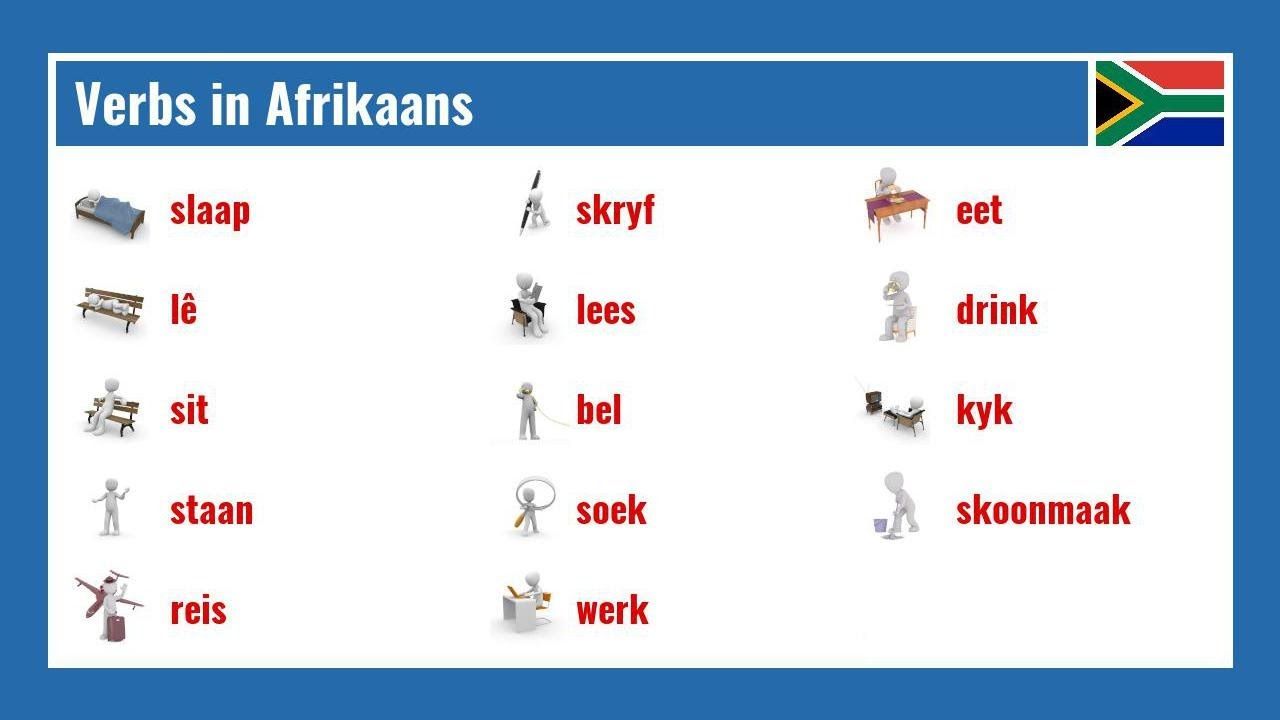
What Makes Afrikaans an “Easier” Language?
- Afrikaans is a Germanic language with familiar vocabulary
- There are no grammatical cases
- Sentence structure is straightforward for an english speaker
- Verbs forms are relatively easier to understand, especially in the present tense
Finding Afrikaans Learning Content
Afrikaans is a less commonly taught language, especially outside of South Africa. Traditional learning material might seem limited, but this obstacle is easily overcome if you take advantage of the online tools available to you. Nowadays, you can immerse yourself in Afrikaans from anywhere in the world.
How to Get Started Learning Afrikaans
As a beginner, repetition is of greater benefit to you than variety. Everything is new, and reviewing the same material helps you internalize vocabulary, sentence patterns, and the sounds of the language more effectively. Besides, precisely because everything is new, you’re less likely to be bored.
LingQ’s Mini Stories are ideal for beginners.
- The mini stories are short, beginner-friendly texts
- Each story includes audio from a native speaker
- The texts are written to emphasize high-frequency vocabulary and sentence patterns
When it comes to novice material, you can’t really go wrong. The goal is simply to dive in, build consistent listening and reading habits, and let the language become more familiar.
Moving Beyond Beginner Afrikaans Content
Beginner-level content is great, but it’s not going to stay interesting forever. To keep motivation high, you need to move towards more challenging (but also more meaningful) content.
Ultimately, you’re goal is to align Afrikaans with your personal interests. This transition is essential if you want tot learn Afrikaans beyond a basic level.
Learn Afrikaans Through Your Personal Interests
Language learning requires time, so let’s be intentional about the content you consume. What are you interested in? Travel? Food? History? Connect Afrikaans with what already interests you.
We’re currently growing our Afrikaans library on LingQ. Read and listen to playlists of songs, read classic fables, and keep up with South African news.
If none of that sounds interesting to you, import your own content—articles, podcasts, and videos that you want to engage with. Interest drives consistency, and consistency leads to fluency.
Remove Friction as Content Gets Harder
As difficulty increases, so can frustration. Tools like LingQ make challenging content more manageable by providing:
- One-click translations
- Sentence-level review
- Text-to-speech and synced audio
- Vocabulary tracking
Don’t make listening and reading in Afrikaans harder than it needs to be. Let tools lighten the load, enabling you to focus on the content.
Set Achievable Goals
Consistency is essential, and but it’ll fade without motivation and feedback. Use goals to make your progress visible and chase shorter-term milestones.
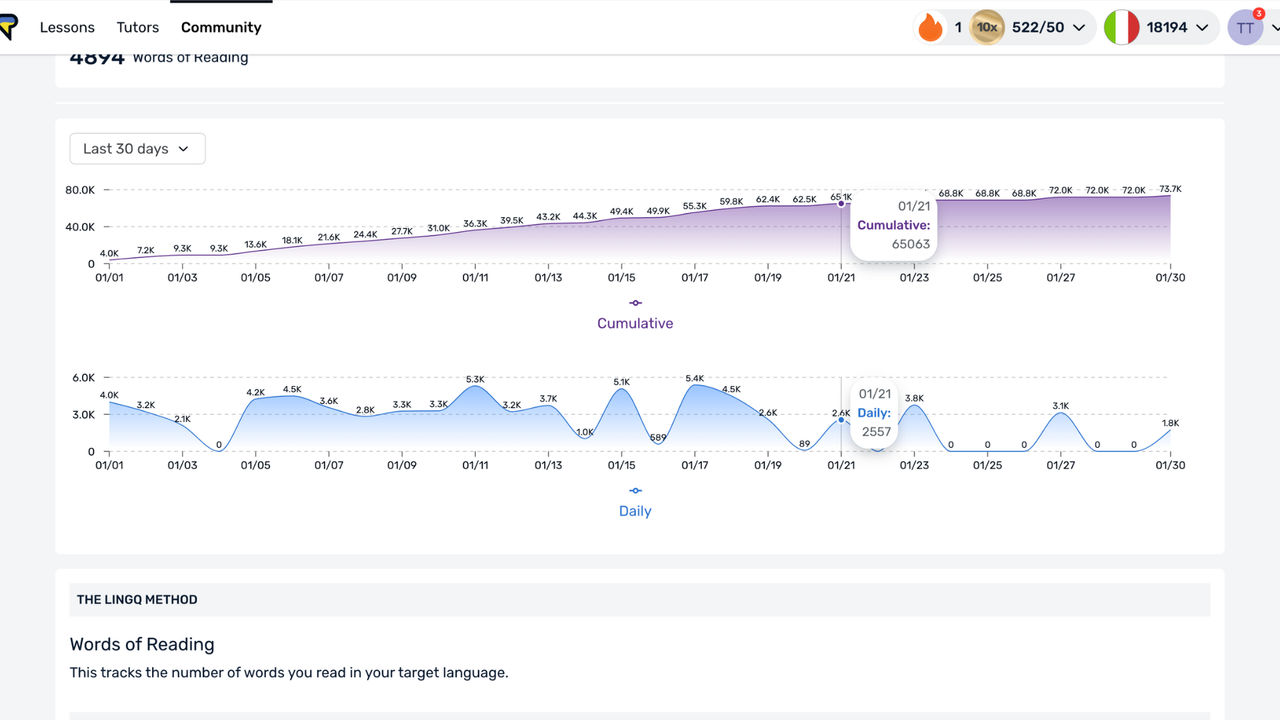
On LingQ, for example, you can measure your learning in quantifiable terms. Look at your number of words read and listened to, monitor your daily learning habits, and see how much of the language you’ve acquired over time. Small victories matter!
Start Speaking and Writing in Afrikaans
Speaking is not a starting point, but rather a result of your listening and reading. In other words, your speech is fueled by vocabulary, phrases, and intuition acquired through reading and listening.
The amount of importance placed on speaking and writing practice depends on you. When you do begin speaking and writing:
- Speak freely and accept mistakes
- Listen for natural phrasing and expressions
- Don’t worry so much about corrections.

Final Thoughts:
To learn Afrikaans successfully, you need exposure, curiosity, and consistency. Reading and listening are fundamental, and you should take full advantage of the tools available to make these tasks easier. Start with content appropriate for your level, and gradually strive towards content that you genuinely enjoy.
With this approach, you’ll not only progress towards fluency in Afrikaans, but you’ll also enjoy the process.
FAQs
Is Afrikaans easy to learn for English speakers?
Yes. For an English speaker, Afrikaans has intuitive grammar and familiar vocabulary.
How long does it take to learn Afrikaans?
Many learners reach functional fluency in around 600 hours with consistent input.
Should I study Afrikaans grammar first?
No. Grammar guides can be a good reference, but you should prioritize building comprehension through listening and reading.
When should I start speaking Afrikaans?
Start when you feel ready. Speaking tends to be more beneficial (and fun) when you have enough language to engage in longer, more meaningful conversations.
Can I learn Afrikaans without living in South Africa?
Absolutely. Online content and tools make full immersion possible from anywhere.
Writer Bio

Tyler is an American language teacher and language learner. He’s taught Spanish, French and Latin in the K-12 system since 2018. Tyler also speaks Thai and Italian. Currently, he’s learning German and Polish on LingQ!